
Your roof takes a beating no other part of your house does. Sun, rain, snow, wind, and temperature swings hit it first and hardest. And since most people rarely go up there, small problems quietly become big ones.
The good news is you don’t need to be a contractor to catch most early roof issues. You just need to know what to look for and when. Here is a practical, no-nonsense guide to reading your roof’s warning signs.
Start With Your Attic, Not Your Roof
The smartest roof inspection actually starts indoors. Your attic tells stories your shingles never will.
Go up on a sunny day and look for three things:
Light leaks. If sunlight is streaming through gaps in the roof deck, water can get in too. Seal these early.
Stained wood. Dark or discolored sections of plywood or rafters suggest past or active moisture. Touch the wood — if it feels damp or spongy, you have a problem.
Insulation condition. If your attic insulation is wet, matted down, or has dark streaks, water has been getting in long enough to cause damage.
Most roof leaks start small and take months to show up inside your living space. The attic is where they reveal themselves first.
The Ground-Level Walkaround
You can spot a surprising amount of roof trouble without ever climbing a ladder. Once a month, take a slow walk around your house, looking at these specific areas:
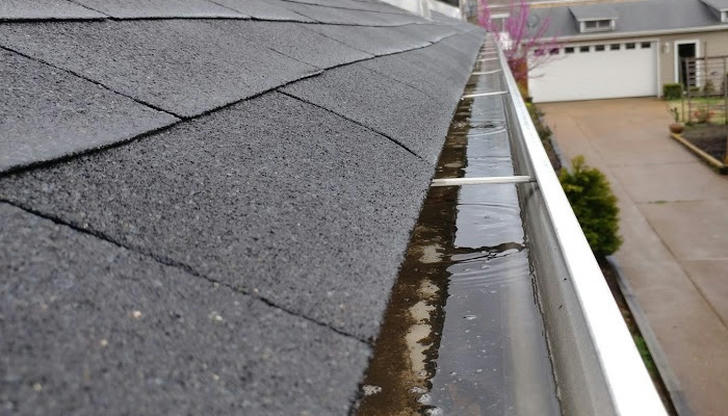
Gutters and downspouts. Grab a handful of the debris near your downspout. If you find dark, sand-like granules mixed with leaves, your asphalt shingles are shedding their protective surface. A little granule loss is normal on an aging roof. A lot means replacement is coming sooner than later.
Soffits and fascia. These are the boards along your roof edges. Look for peeling paint, soft spots, or visible rot. If the trim is failing, water may already be finding its way underneath your shingles.
Ground debris. After a storm, check the ground around your house for shingle tabs, nail heads, or chunks of flashing. Any of these means your roof took a hit.
The Seasonal Deep Check
Some roof problems only show up during certain conditions. Time your deeper checks with the seasons.
Spring: After the thaw
Winter is brutal on roofs. Once the snow melts, look for:
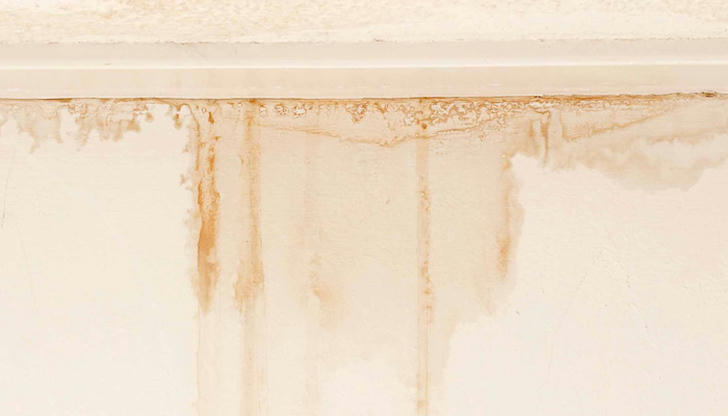
- Ice dam damage. If you had icicles along your eaves in winter, check for lifted shingles or water stains near the roofline. Ice dams push water up under the shingles.
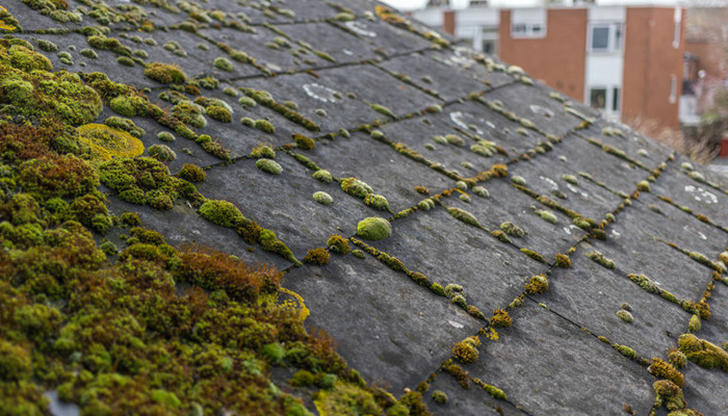
- Moss or algae patches. Spring dampness makes these spread fast. Moss holds moisture against the wood and lifts shingles over time.
Summer: Hot weather clues
The summer sun reveals issues winter hides:
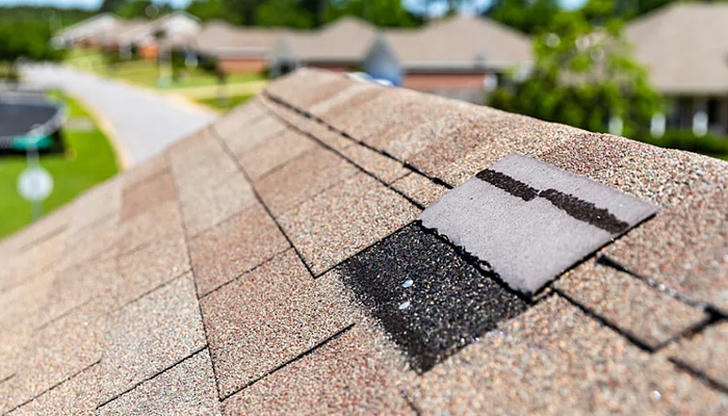
- Curling shingles. Walk around and look for shingles whose edges are lifting or curling up. This happens when shingles age past their lifespan or were poorly ventilated.
- Blistering or bubbling. Small bubbles in the shingle surface mean trapped moisture is expanding in the heat.
Fall: Before the rain returns
Autumn is your last chance to fix things before winter:
- Clean all gutters thoroughly. Clogged gutters cause water to back up under the roof edge.
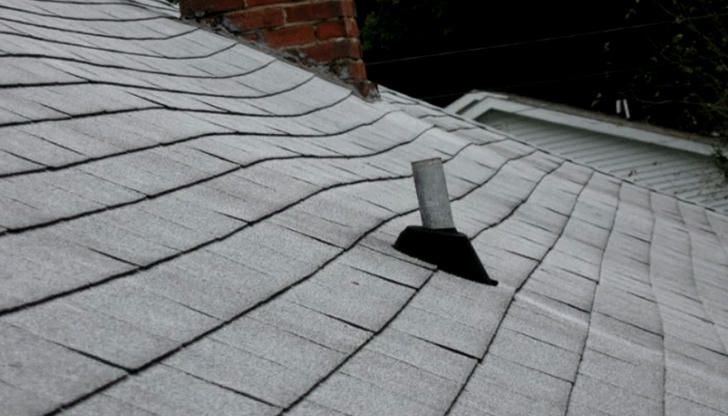
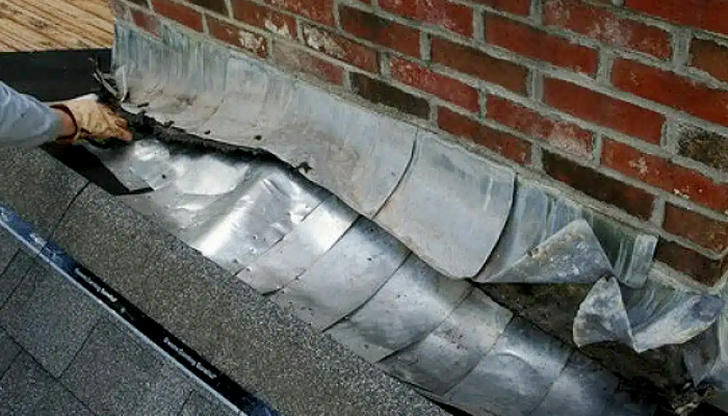
- Check flashings. The metal seals around chimneys, vents, and skylights loosen over time. Push gently on them — if they move, they need resealing before snow arrives.
The Five-Minute After-Storm Check
Storms accelerate roof problems that were already developing. After any heavy rain or wind event, take five minutes to check:
- Inside: Walk through every room and look at ceilings and top corners of walls. Fresh water stains can appear hours or days later as water travels along beams before dripping.
- Outside corners: Wind tends to lift shingles at roof corners and edges first. Look for anything that seems out of place.
- Downspout flow: During a rainstorm, go outside and watch your downspouts. Water should be flowing freely away from the foundation. If it’s dribbling out slowly, you have a clog.
Understanding the Numbers
Roofs have a finite lifespan, and knowing where yours stands helps you plan:
- Asphalt shingles: 20–30 years depending on quality, climate, and installation
- Wood shakes: 25–35 years with proper treatment
- Metal roofing: 40–70 years
- Slate or tile: 50–100+ years
If your roof is past the 20-year mark, it’s time to start budgeting for replacement — even if it still looks okay from the ground. Aging shingles lose flexibility and are more likely to crack or blow off in a storm.
When to Call a Professional

Some things you can handle yourself: cleaning gutters, replacing a single cracked shingle, clearing moss. But certain problems need a roofer’s eyes.
Call someone if you notice:
- A sagging section of the roofline
- Large areas of missing or damaged shingles
- Water stains that keep growing despite minor repairs
- Granules collecting in gutters from a roof under 15 years old (this indicates premature failure)
A professional inspection once every two to three years is a small investment that can save you from surprise leaks and emergency repair costs.
The Bottom Line
Your roof doesn’t fail overnight. It gives you signs for months or even years before a serious leak develops. Most homeowners just don’t know what those signs look like.
If you make one change after reading this, let it be this: once a season, spend ten minutes walking slowly around your house and looking up. Then another ten minutes in your attic with a flashlight.
Those twenty minutes, four times a year, are the cheapest roof insurance you can buy.