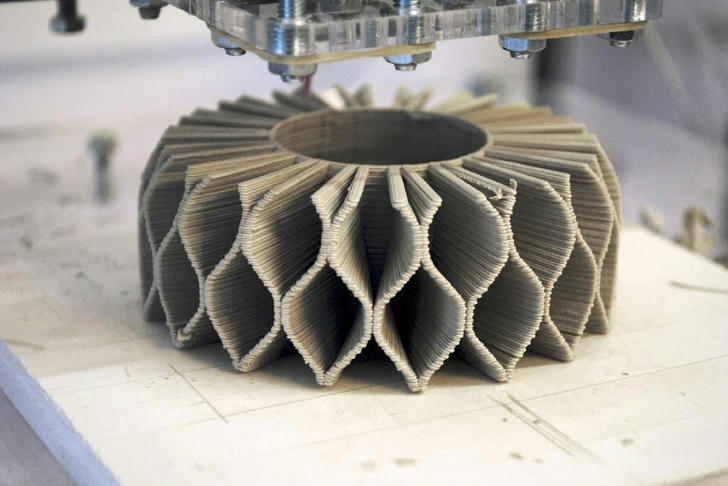
The log cabin industry has traditionally been conservative in its construction methods. Logs, chinking, and hand craftsmanship have defined the category for centuries. But new construction technologies — particularly 3D printing — are beginning to influence how even traditional homes are designed and built.
This doesn’t mean cabins will be 3D printed anytime soon. But understanding these trends helps cabin owners and builders make informed decisions about materials, costs, and construction approaches.
What 3D Printing Actually Offers Construction

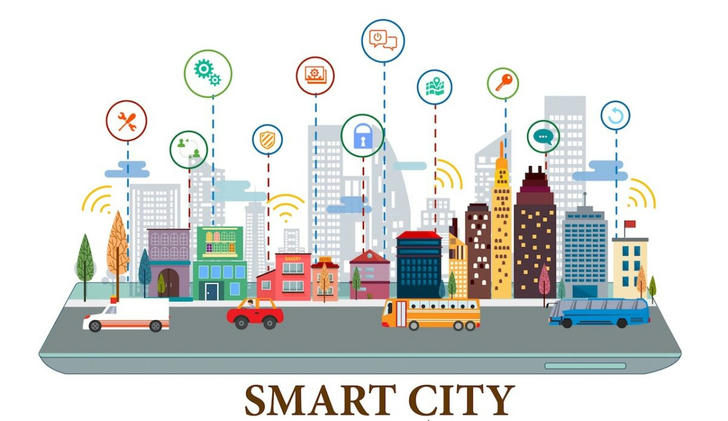
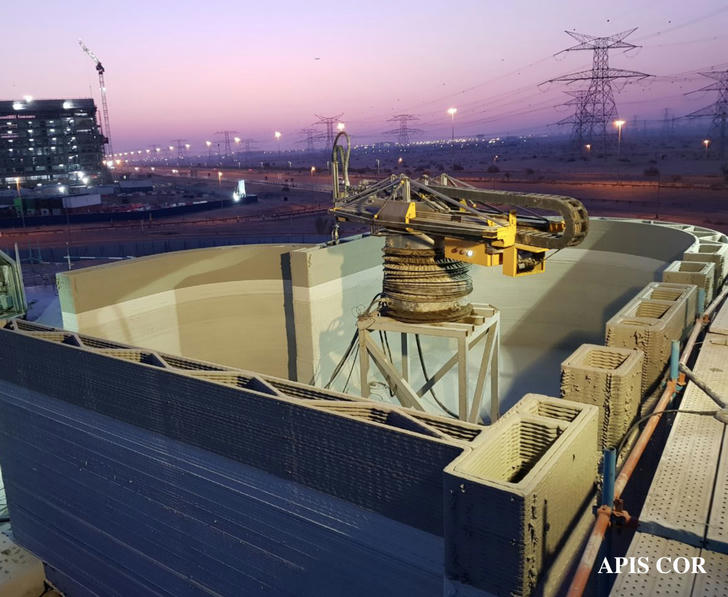
3D printing in construction works by extruding concrete or composite materials in layers to build walls and structural elements. The technology has been used primarily for affordable housing projects and experimental structures.
For log cabins specifically, 3D printing is unlikely to replace traditional log construction. The appeal of log cabins is the material itself — the warmth, texture, and character of natural wood. A 3D-printed structure doesn’t replicate these qualities.
Where 3D printing may influence cabin construction:
| Application | Likelihood | Timeline |
|---|---|---|
| Foundation elements | High | Already in use |
| Custom architectural details | Medium | 2–5 years |
| Entire cabin structures | Low | 10+ years |
| Log alternative materials | Low | Unlikely |
The most practical near-term application is in foundations, retaining walls, and landscape structures — areas where the appearance of natural wood isn’t critical but where precise, strong construction matters.
What Cabin Owners Should Actually Pay Attention To
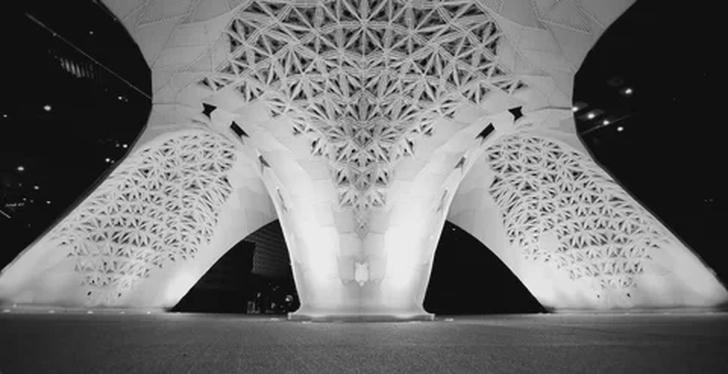
While 3D printing gets headlines, other construction trends are more likely to affect cabin builders in the next five years.
Engineered Wood Products
Cross-laminated timber (CLT) and glue-laminated timber (glulam) are becoming more common in residential construction. These materials use layers of wood bonded together to create beams and panels that are stronger and more dimensionally stable than solid wood of the same size.
For cabins, CLT can be used for:
- Roof decking that spans longer distances without support
- Floor systems that are quieter and more stable
- Wall panels in hybrid designs that combine log aesthetics with modern structural performance
The advantage is that CLT looks like wood, performs better than solid lumber in many applications, and uses wood more efficiently (layers can include lower-grade material that would be wasted in solid log construction).
Advanced Insulation Systems
The biggest practical trend affecting cabin comfort is the development of insulation systems specifically designed for log and timber construction.
Traditional insulation approaches for cabins have been limited — you can’t easily add fiberglass batts to a solid log wall. New options include:
- Aerogel-based insulation. Extremely thin and effective, can be applied to interior surfaces without changing the exterior appearance.
- Structural insulated panels (SIPs) for roofs. These provide dramatically better roof insulation than traditional approaches.
- Spray foam for log gaps. Modern formulations are more durable and flexible than older products, creating better seals that last longer.
Smart Home Integration
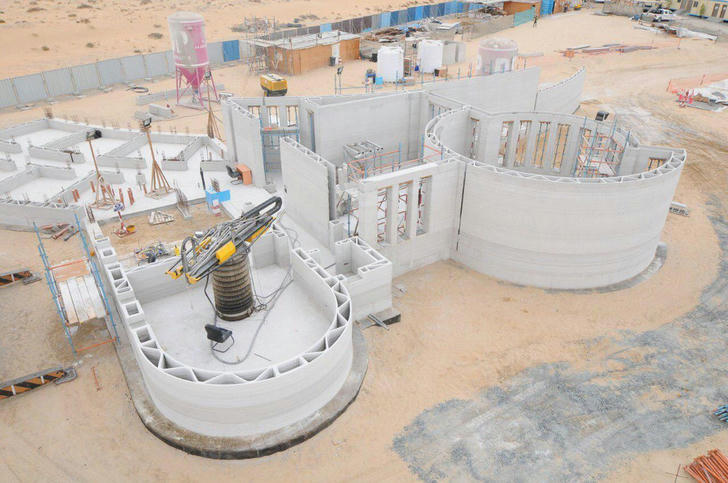
Smart home technology has become reliable and affordable enough that it’s worth considering for new cabin construction and major renovations.
Most useful for cabins:
- Remote temperature monitoring. Know if your cabin drops below freezing while you’re away.
- Leak detection. Water sensors that alert your phone when moisture is detected near plumbing fixtures.
- Automated freeze protection. Systems that can drain pipes automatically if temperatures drop to dangerous levels.
- Energy management. Smart thermostats that learn your usage patterns and optimize heating and cooling.
These systems require reliable internet connectivity. For cabins without broadband, cellular-based monitoring systems are available and work well in most areas with basic cell coverage.
The Hybrid Cabin Approach
The most interesting trend in modern cabin construction is hybrid design — using traditional log construction where it matters most and modern materials where they offer clear advantages.
A hybrid approach might include:
- Log exterior walls for the look and feel you want
- Modern roof structure with engineered trusses and advanced insulation
- Conventional interior walls in areas where log construction adds cost without benefit
- Modern foundation systems with proper drainage and moisture barriers
- High-performance windows that complement the log aesthetic
This approach gives you the character of a log cabin with the energy performance and durability of modern construction. It’s becoming the preferred approach for many custom cabin builders.
What This Means for Your Cabin Decision
If you’re planning to build or buy a cabin in the next few years, here are the practical takeaways from current construction trends.
For new construction:
- Consider hybrid designs that combine log exteriors with modern structural systems
- Invest in the best insulation and windows your budget allows — these have the fastest payback
- Pre-wire for smart home features even if you don’t install them immediately
- Choose a foundation system designed for your specific climate and soil conditions
For existing cabins:
- The most impactful upgrades are insulation, air sealing, and moisture management
- Smart monitoring devices are inexpensive and provide valuable protection
- Modern sealants and finishes last longer and perform better than older products
- Engineered wood products can be used for decking, porch structures, and roof repairs
For both:
- Don’t chase trends. The fundamental principles of good cabin design haven’t changed: keep water out, let the wood breathe, and build for the climate you’re in.
- New materials and technologies should be evaluated on their practical benefits, not their novelty.
The Perspective That Matters

Every few years, a new construction technology generates excitement about transforming the home building industry. Most of these technologies find their appropriate niche rather than revolutionizing the entire field.
3D printing will likely find its place in foundation work, custom details, and affordable housing. Smart home technology will continue improving convenience and protection. Engineered wood products will offer new options for specific applications.
But the core appeal of a log cabin — a structure built from natural materials that creates a warm, grounded living environment — isn’t something technology needs to replace. The best approach is to selectively adopt new technologies that solve real problems while preserving the qualities that made you want a cabin in the first place.
A well-built log cabin with good insulation, modern moisture management, and thoughtful design will remain a comfortable, durable home regardless of what construction technology trends come and go.