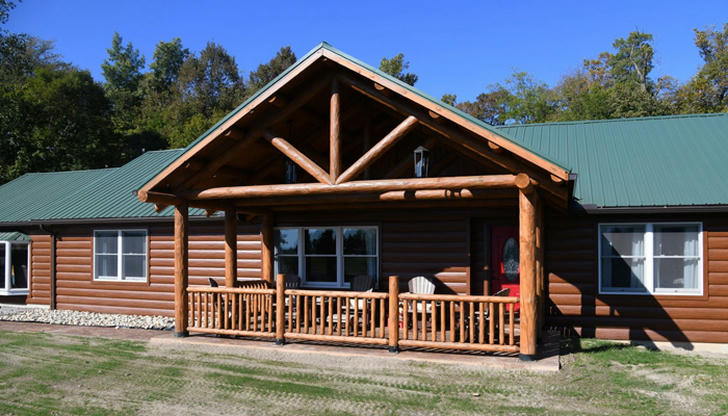
The idea is seductive: move your office to a log cabin. Fresh air, forest views, no commute. But the reality is more complicated than the Instagram posts suggest.
Remote work from a cabin is absolutely possible — but only if you plan for the things that can go wrong. Here is a practical guide organized by the challenges actual cabin-based remote workers encounter.
Step One: Verify the Internet Before You Commit
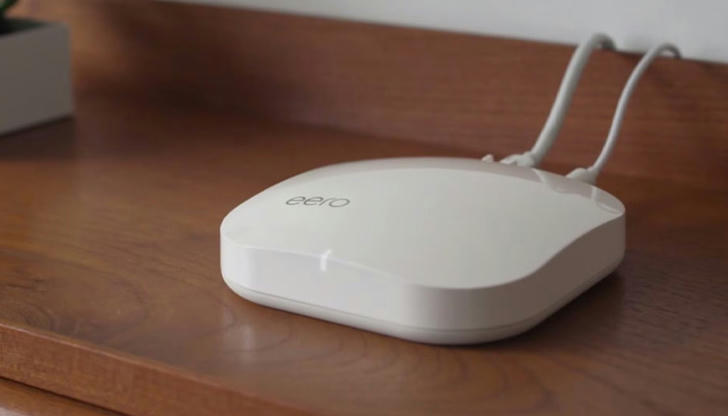
This is the single most important factor, and it’s also the one people get wrong most often.
What “Wi-Fi available” actually means: Most cabin listings say they have internet. Few tell you the speed. Our testing across multiple cabins has found that advertised “high-speed internet” can range from a usable 50 Mbps down to a painful 3 Mbps.
The minimums you actually need:
| Activity | Minimum Download | Minimum Upload |
|---|---|---|
| Email, browsing, messaging | 5 Mbps | 1 Mbps |
| Individual video calls | 10 Mbps | 5 Mbps |
| Video calls + screen sharing | 15 Mbps | 8 Mbps |
| Two people working simultaneously | 25 Mbps | 10 Mbps |
How to verify before you arrive: Ask the host for a current speed test from Speedtest.net or Fast.com. Not a screenshot from last year — one taken within the last week. If they can’t provide one, consider that a red flag.
Know the connection type. Fiber and cable are generally reliable. DSL can be usable but depends on distance from the exchange. Satellite internet has high latency, which creates awkward pauses in conversations. Cellular hotspots work well where signal is strong, but signal varies dramatically even within the same cabin.
The Cellular Backup Plan

Every cabin-based remote worker needs a backup. The cabin’s internet can fail, and when it does, your phone hotspot is the difference between finishing your workday and losing a client.
Test the signal before you need it. Walk through every room of the cabin with your phone and note where the signal is strongest. In many log cabins, signal is significantly better near windows or on the porch. Thick log walls are surprisingly effective at blocking cellular signals.
Carrier matters. Verizon and AT&T generally have better rural coverage than T-Mobile, but this varies by region. If your work depends on connectivity, consider carrying a hotspot from a second carrier as backup.
Data limits are real. Hotspot data is typically capped at 15–50 GB per month on most plans. Video calls consume about 1 GB per hour. A week of heavy remote work can easily use 10–15 GB. Plan accordingly.
Workstation Setup: Your Body Will Thank You
Cabins are designed for relaxation, not ergonomics. The beautiful wooden dining table and charming farmhouse chair will feel great for about two hours. By day three, your neck and lower back will remind you that you’re not on vacation.
What to check before you settle in:
- Desk height. Most dining tables are 29–30 inches. For typing, you want your elbows at 90 degrees. You may need to raise your chair or add a keyboard tray.
- Chair support. Look for a chair with lumbar support. If the cabin doesn’t have one, a rolled-up towel behind your lower back is a reasonable temporary fix.
- Monitor position. The top of your screen should be at or slightly below eye level. Stack books under your laptop if needed.
- Lighting. Cabins tend to have warm, dim lighting that’s cozy for evenings but inadequate for focused work. Position your workspace near a window during daylight hours.
Power Reliability: The Hidden Variable

Urban power grids are stable. Remote cabin power grids are not. A tree branch on a line, a transformer overload during a storm, or scheduled maintenance can leave you without power for hours.
Know the outage history. Ask the host or local neighbors how often the area loses power. Some rural areas experience multiple outages per month during storm seasons.
What to bring:
- A charged backup battery or UPS for your router and laptop
- A car charger for your devices
- A power bank that can charge your phone 3–4 times
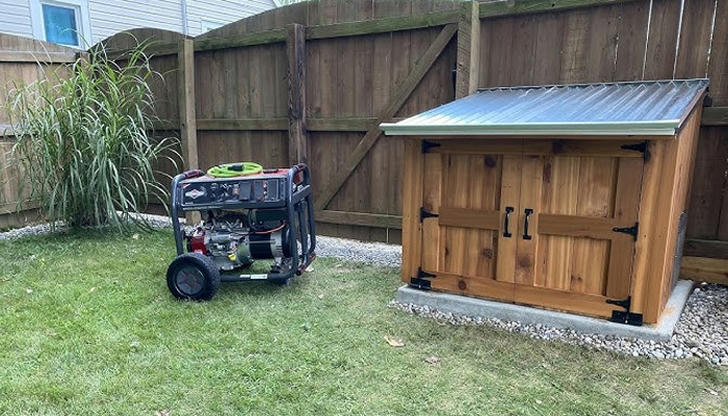
If the cabin has a generator, confirm it’s been serviced recently and that you know how to start it. If it doesn’t have one, consider whether you’re comfortable with the risk of occasional downtime.
Noise and Focus: The Forest Can Be Distracting
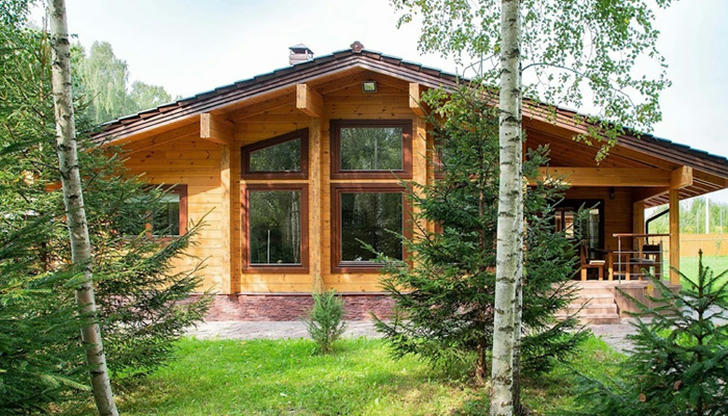
The same quiet that makes cabins relaxing can also make it hard to concentrate — but for different reasons than you might expect.
The distraction of beauty. When your workspace looks out at a lake, a forest trail, or a perfect hammock, staying focused on spreadsheets becomes genuinely harder. This matters more than you’d think. Multiple remote workers we interviewed reported a significant drop in productivity during the first few days of cabin stays.
Strategies that work:
- Separate work and leisure zones. Don’t work from the same spot where you drink coffee and relax. If possible, set up in a different room or at a designated desk area.
- Use time blocking. Work in focused morning blocks and reserve afternoons for exploration. This prevents the “I’ll just take a quick hike” trap that derails entire workdays.
- Set visual boundaries. Close the curtains or turn your desk away from the window if the view is too distracting.
Food and Supply Logistics
In a city, if you run out of milk or need a change of scenery, a café or grocery store is minutes away. At a remote cabin, the nearest store may be 30–45 minutes each way.
Plan for longer stays. If you’re staying for more than a few days, plan your meals for the entire stay and shop before you arrive. Factor in one extra day of food in case weather or road conditions prevent a supply run.
Identify backup workspaces. If the cabin internet fails and there’s no cell signal, where can you go? The nearest town’s library, café, or co-working space. Know the distance and hours before you need them.
When It Works, It’s Worth It

After all the planning and precautions, here’s the honest bottom line: working from a log cabin can be incredibly productive — but not for the reasons most people assume.
It’s not that the forest makes you more focused. It’s that the absence of urban distractions — traffic noise, delivery notifications, the temptation of restaurants — creates an environment where deep work comes more naturally.
The people who succeed at cabin-based remote work share one trait: they treat it as a work trip that happens to be in a beautiful location, not a vacation where they occasionally check email.
If you plan for the internet, set up a proper workspace, and prepare for the logistics, a log cabin can be one of the most effective remote work environments available. The key is preparation — not hope.