Every cabin builder faces the same tension: you want quality, but the budget has limits. Somewhere you have to cut.
The problem is that not all cuts are equal. Some save you money without affecting quality. Others create a cascade of expenses that far exceed the initial savings.
Let me walk you through breakdown of where you can safely save and where cutting corners is a financial mistake.
The Foundation: This Is Not the Place to Save
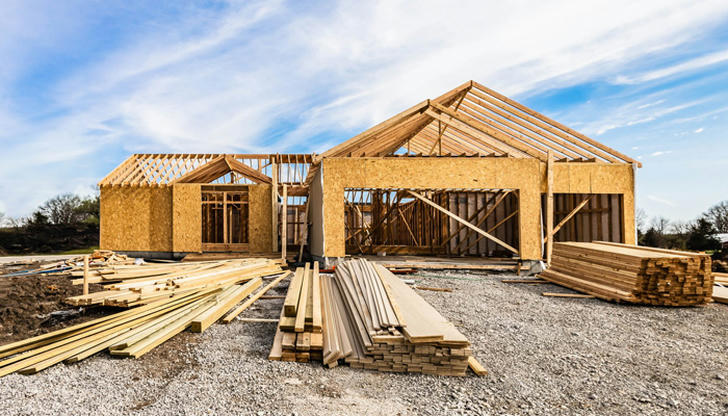
A cabin’s foundation is invisible once construction is complete, which makes it tempting to cut here. The ground looks solid. The builder says it’ll be fine. The cost difference between a proper foundation and a minimal one can be significant.
Here’s what happens when you cheap out: the ground settles unevenly. Doors start sticking. Windows develop gaps. Cracks appear in interior walls. Over the next five to ten years, you spend thousands on repairs that could have been prevented by proper foundation work upfront.
What to spend on: A proper engineered foundation with drainage. If you’re building on a slope or in an area with freeze-thaw cycles, don’t compromise. The extra $3,000–$8,000 for proper footings and drainage is one of the best investments you can make.
Log Quality: Pay Now or Pay Continuously
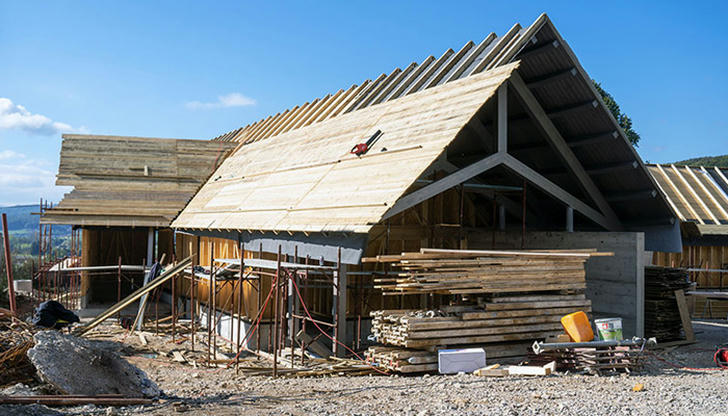
Not all logs are the same. The difference between kiln-dried, treated logs and green, untreated logs is not immediately obvious — they look similar on day one.
The difference shows up in year two or three. Untreated logs crack more, attract insects, and absorb moisture. Kiln-dried logs have been stabilized and treated to resist these issues.
Where you can save: Choose a smaller diameter log. A 6-inch log can be perfectly adequate for a well-designed cabin if the insulation and sealing are done properly. You don’t need 10-inch or 12-inch logs for structural integrity in most designs.
Where not to save: Never skip the treatment process. Properly treated logs cost more upfront but can last 50+ years with reasonable maintenance. Untreated logs may begin showing rot within a decade.
Windows and Doors: The Draft Tax
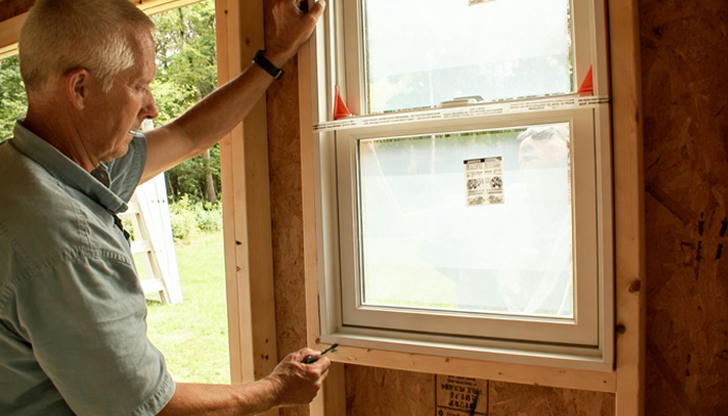
Budget windows look fine when installed. They seal properly, they operate smoothly. The problem shows up in the first winter, when you feel cold air moving across the floor near the window. Then your heating bill arrives.
The math on window quality:
| Window Quality | Cost per Window | Annual Heating Impact |
|---|---|---|
| Single-pane, basic | $150–$250 | +$200–$400 per year |
| Double-pane, low-E | $400–$800 | Baseline |
| Triple-pane, insulated frame | $700–$1,200 | -$50–$150 per year vs double |
A cabin with 15 windows will cost roughly $2,000–$5,000 more for good windows upfront. Over 10 years, that difference is more than recovered in energy savings alone — not including the comfort benefit.
Where you can save: Use standard window sizes instead of custom. Stock sizes are dramatically cheaper. Place large, expensive windows only where the view demands it, and use smaller, efficient windows elsewhere.
Insulation: The Hidden ROI
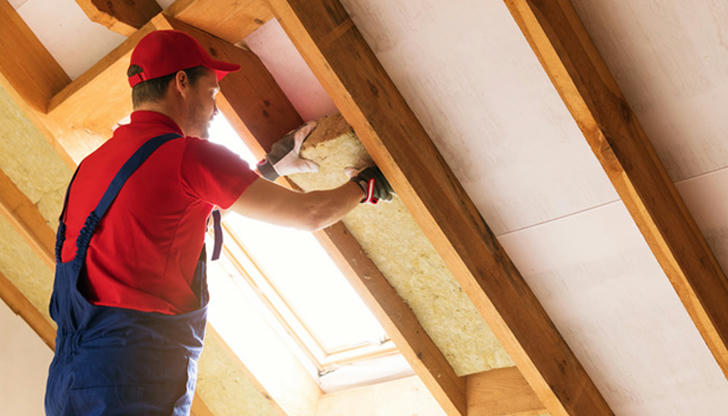
Logs provide some natural insulation, but not enough for comfortable year-round living in most climates. Cabins lose heat through the roof more than through the walls, and through the floor more than most people realize.
Where to invest:
- Roof insulation. Heat rises. A poorly insulated roof is the single biggest source of heat loss. Spending extra here pays back within two to three winters.
- Floor insulation. Cold floors make a cabin feel uncomfortable no matter how warm the air temperature is. Insulating the floor is inexpensive compared to retrofitting later.
- Air sealing. Gaps around windows, doors, and between logs create drafts that insulation alone can’t fix. A thorough air sealing job is cheap and highly effective.
Where you can save: Use standard fiberglass batt insulation in walls where space allows, rather than spray foam. The R-value per dollar is excellent, and the savings can go toward roof and floor insulation instead.
Roof Design: Simpler Is Cheaper
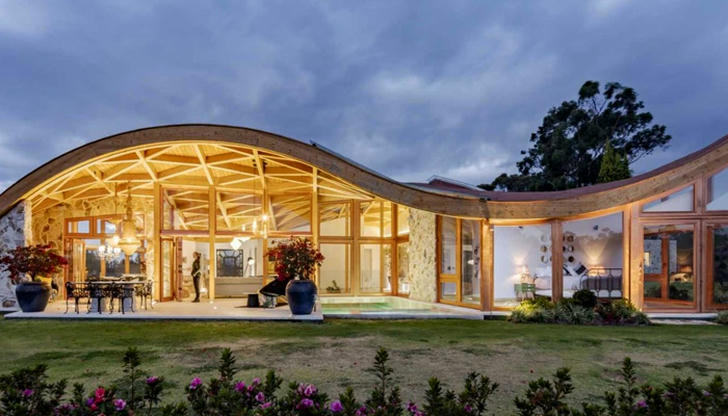
A complex roofline with multiple valleys, dormers, and angles looks impressive. It also creates dozens of additional points where leaks can develop.
The maintenance reality: Every roof valley collects debris. Every dormer creates a flashing detail that can fail. Every angle change introduces a seam that must be sealed.
A simple gable roof with a generous overhang is cheaper to build, easier to maintain, and more durable than any complex roof design at the same square footage.
Where you can save: Choose a straightforward roof shape and invest the savings in better shingles or a metal roof that will last 40+ years.
Moisture Protection: The Silent System
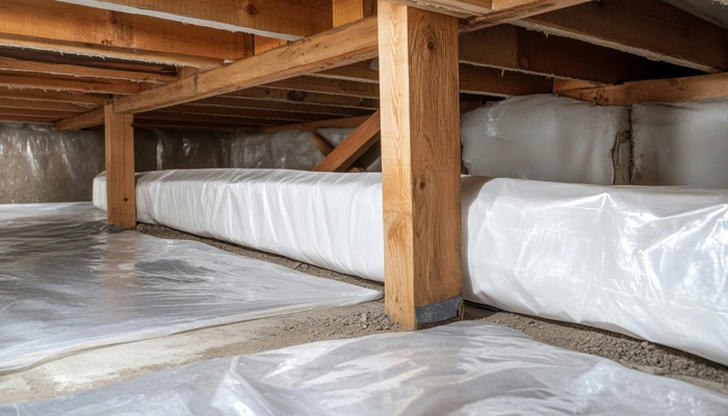
Vapor barriers, proper grading, drainage systems — none of these are visible when the cabin is finished. They’re easy to skip.
Skip them, and within a few years you’ll smell the problem before you see it. Musty odors, peeling finishes, and soft spots in the wood are the calling cards of moisture damage. Remediation typically costs 5–10 times what prevention would have.
Smart Savings: Where You Can Cut Without Regret
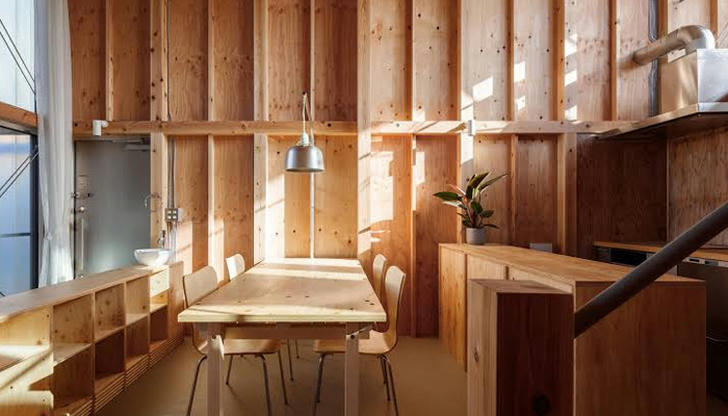
Not every premium feature is worth the cost. Here are areas where experienced cabin builders agree it’s safe to save.
Interior finishes. High-end kitchen countertops, designer fixtures, and premium flooring can easily add $15,000–$30,000 to a build. Mid-range materials in these areas wear just as well and look nearly identical. Save the splurge for structural components.
Square footage. The most effective budget tool is building less. Every extra 100 square feet adds foundation, roofing, flooring, heating, and finishing costs. A well-designed 800-square-foot cabin often feels more comfortable than a poorly planned 1,200-square-foot one — and costs significantly less to maintain.
Outdoor structures. A massive wraparound deck or elaborate porch adds ongoing maintenance. Build a covered area where you’ll actually use it — not one that surrounds the entire cabin.
Appliance brands. Mid-range appliances perform nearly identically to premium brands. The difference is mostly aesthetic.
The Two-Question Test
Before cutting any feature from your cabin budget, ask two questions:
- “If this fails in five years, how much will it cost to fix?”
- “Will I use this feature daily or monthly?”
If the answer to question one is “more than I’m saving” and the answer to question two is “daily,” that feature is worth the investment.
A cabin is a long-term relationship with a building. The choices you make during construction affect every year you own it. Smart cuts preserve your budget. Bad cuts create an ongoing tax on your time and money.
The goal is not to build the cheapest cabin. It’s to build a cabin that stays affordable to own.