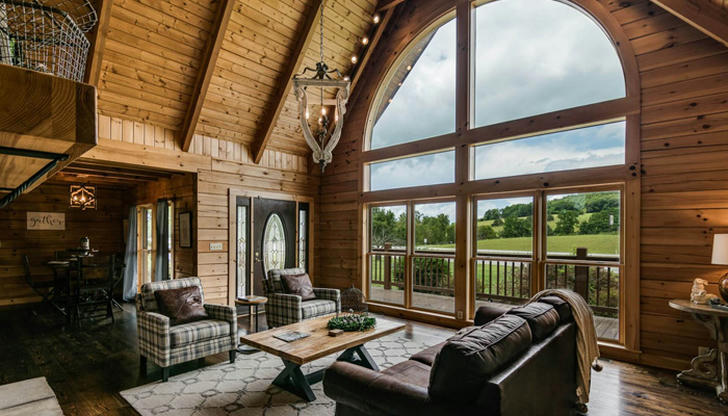
You close the cabin door behind you. The forest is quiet. The key turns in the lock. And then the cabin sits there — alone — for weeks or months, exposed to whatever nature throws at it.
Most cabin damage happens not while you’re there, but while you’re away. A pipe freezes and bursts. A rodent finds the pantry. Moisture builds up and creates musty air that takes days to air out.
Let me walk you through pre-departure checklist built from the experiences of long-term cabin owners. These aren’t theoretical tips — they’re the things people wish they had done before that one trip that ended with a call to a plumber.
1. Water System: More Than Just Turning Off the Valve
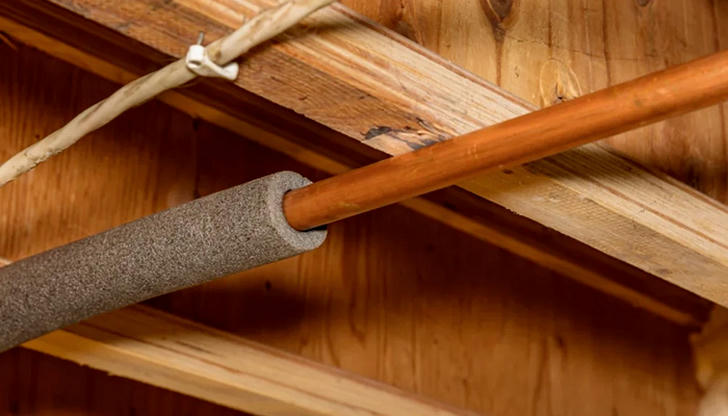
Shutting off the main water supply is step one. But experienced cabin owners go further.
Drain the lines. After turning off the water, open every faucet — kitchen, bathroom, outdoor spigot — and let them run until nothing comes out. Flush toilets until the tank is empty. This releases pressure and prevents standing water from freezing in the pipes.
Add antifreeze to drains. In cold climates, pour a cup of non-toxic RV antifreeze into every sink drain, toilet bowl, and shower trap. This prevents the water in the P-traps from freezing and cracking.
Don’t forget outdoor fixtures. Disconnect garden hoses and drain outdoor spigots. A frozen outdoor faucet can split the pipe back into the wall, causing damage you won’t discover until spring.
A neighbor I know skipped draining his lines one fall. “It’ll be fine,” he said. He came back to a kitchen ceiling that had collapsed under the weight of water from a burst pipe on the second floor. The repair cost more than his entire water system.
2. Temperature Management: Set It and Don’t Forget It
The instinct to save money by turning off the heat completely is understandable — but it’s often the wrong choice.
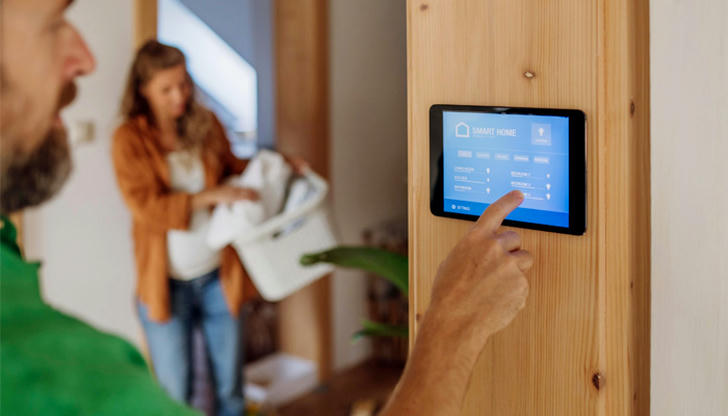
In winter: Set your thermostat to 50°F (10°C). This is warm enough to prevent freezing but low enough to keep energy costs manageable. If you have a smart thermostat, you can monitor the temperature remotely and get alerts if it drops unexpectedly.
In summer: A dehumidifier set to 50% humidity on a drain hose can prevent the musty smell and mold growth that plagues empty cabins. Empty the reservoir before you leave, or better yet, get one with a continuous drain option.
The fireplace trap. Never close the damper on a wood-burning fireplace completely. A slightly open damper allows air circulation that prevents moisture buildup. Just make sure the screen is in place to keep animals out.
3. Kitchen and Pantry: Outsmarting Wildlife
A cabin in the woods is surrounded by animals that have excellent senses of smell. What seems like “just a few crumbs” to you is a dinner invitation to a mouse, raccoon, or bear.
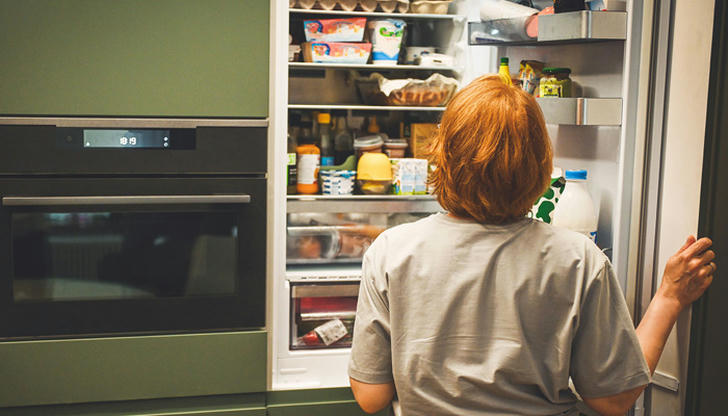
The hard rule: Remove all perishable food. Take it with you or give it to a neighbor. Don’t leave anything in the fridge that will spoil during your absence.
Seal dry goods. Put unopened packages of pasta, rice, cereal, and snacks into rodent-proof containers. Mice can chew through cardboard and plastic bags without effort.
Take out the trash. Don’t leave garbage bags inside, even in a sealed can. Take everything to an outdoor bear-proof container or remove it from the property entirely.
Wipe every surface. Countertops, stovetops, and floors should be cleaned of crumbs and spills. Even invisible residues attract ants within days.
4. The Perimeter Check: Small Gaps, Big Consequences
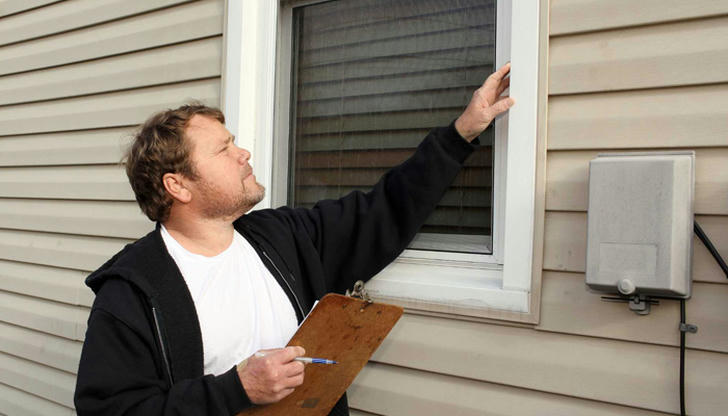
Walk the entire exterior of your cabin before you leave. You’re looking for openings that didn’t exist last season.
Check weatherstripping. Doors and windows that sealed perfectly in summer may have gaps now that temperatures have dropped. Replace worn strips before they invite drafts and moisture.
Inspect the base. Animals dig. Check for new holes or gaps at the foundation level. A gap the size of a quarter is large enough for a mouse to squeeze through.
Look up. Overhanging branches can scrape your roof in high winds, damaging shingles and creating entry points for water. Trim anything that’s too close.
5. Ventilation: Stale Air Is Expensive
A sealed cabin traps moisture. That moisture leads to mold, mildew, and that unpleasant smell that makes your first hour back feel like a chore.
Leave interior doors open. Closed rooms trap humidity. Open all closet doors, bathroom doors, and cabinet doors to allow air to circulate.
Crack one window slightly. If the cabin is in a secure area, leaving a single window open an inch on the latch side creates cross-ventilation without inviting intruders. Choose a window on the leeward side to minimize rain entry.
Check air vents. Make sure foundation vents and attic vents are clear of debris. Blocked vents restrict airflow and accelerate moisture damage in crawl spaces.
6. The Exterior Furniture and Equipment Gauntlet
Anything left outside can become a problem during your absence.
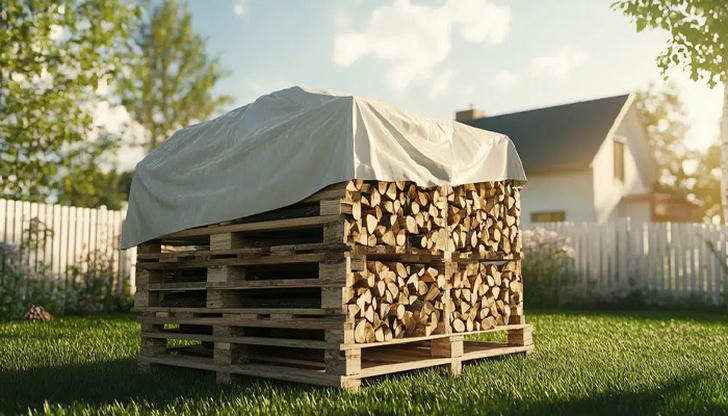
Firewood. Move all firewood at least ten feet away from the cabin walls. Stacked against the house, it becomes a bridge for termites, ants, and moisture.
Grills and propane tanks. Clean the grill thoroughly and store it in a shed or covered area. Animals are attracted to grease residue. Propane tanks should be disconnected and stored upright.
Outdoor furniture. Anchor or store lightweight furniture that could become a projectile in high winds. A loose chair hitting a window at 40 mph can cost you a pane and hours of cleanup.
7. The Final Walk-Through Sequence
Before you lock the door, follow this specific order:
- Confirm water is off and lines are drained. Do this first. It’s the most common and most expensive mistake.
- Take out all trash. Don’t leave anything that can smell.
- Set the thermostat. Double-check the temperature setting.
- Unplug non-essential electronics. Protects against surges and saves power.
- Close and lock all windows. Check the one you left cracked for ventilation — make sure it’s secured on the latch.
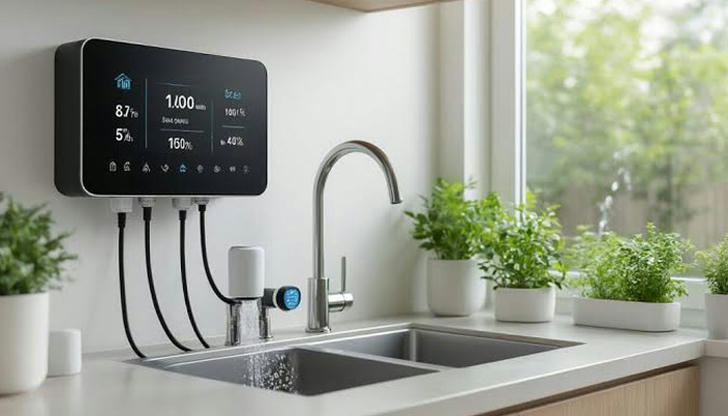
- Take a photo of the thermostat and water meter. When you return, you can check if anything changed during your absence.
One More Thing: Build a Relationship With a Local
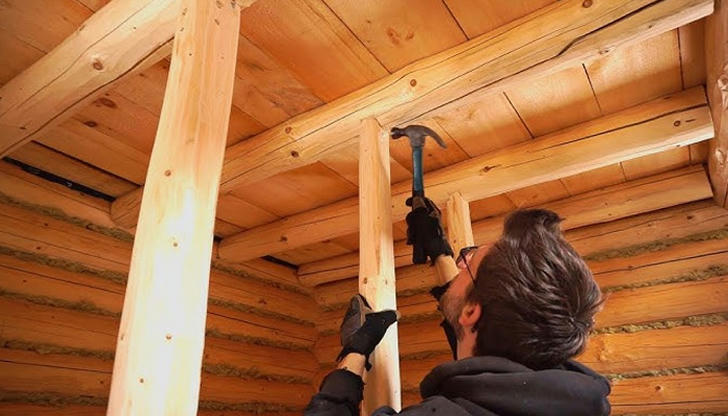
No checklist replaces a human pair of eyes. If there’s someone nearby — a neighbor, a property manager, a local handyman — ask them to stop by once every two to three weeks during long absences.
They can spot things a checklist can’t: an unusual smell, a fallen tree branch, a suspicious vehicle. Most will do it for a small fee or a favor in return.
A ten-minute visit once a month is the cheapest insurance you can buy for a cabin that sits empty.
The Takeaway
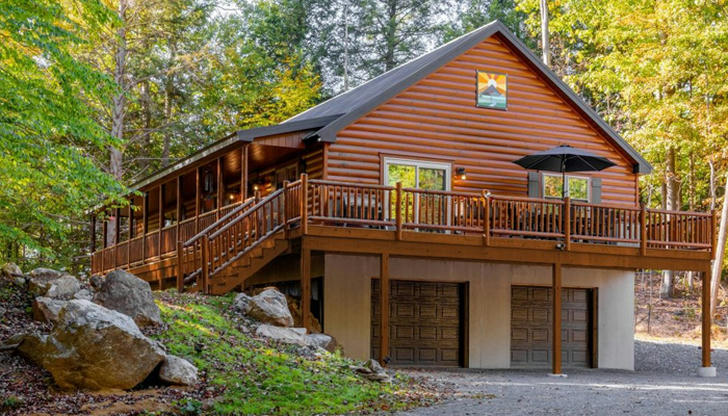
Leaving a cabin unattended doesn’t have to mean leaving it vulnerable. Most problems that occur during long absences follow predictable patterns: frozen water, unwanted animals, or trapped moisture.
A thorough pre-departure routine takes about an hour. That hour can save you thousands in repairs and hours of stress.
Lock the door with confidence — because your cabin will be just as comfortable when you return as it was when you left.