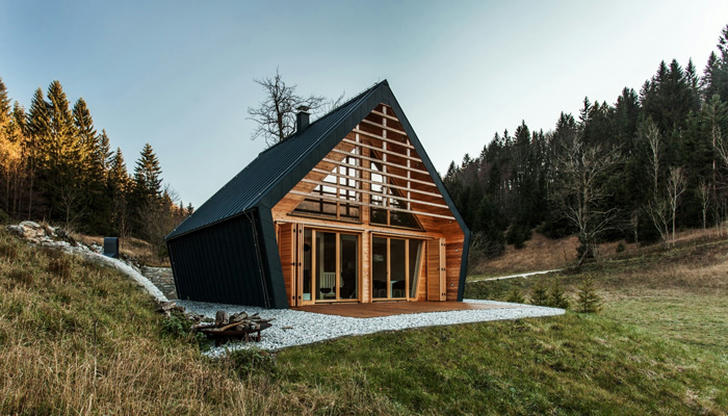
Your first night in a log cabin can be a shock. The house groans. The roof creaks. A branch scratches against a window. Somewhere outside, an animal makes a sound you’ve never heard before.
If you grew up in a conventional house, all of this feels wrong. But most of it is completely normal. The key is learning which sounds to welcome and which ones to investigate.
Why Wood Makes Noise
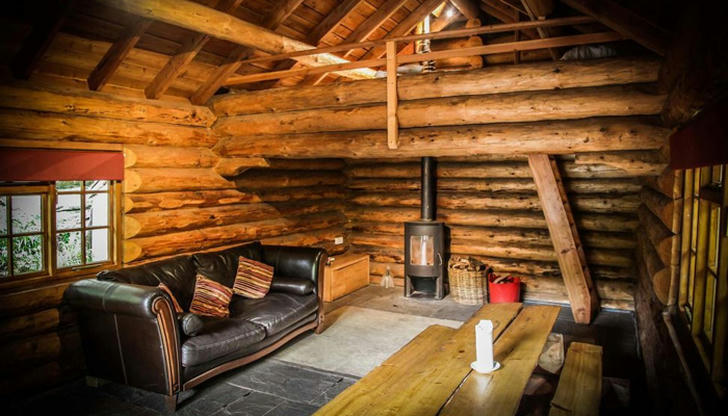
Wood is not a static material. It expands when it’s warm and contracts when it’s cold. It releases moisture when humidity drops and absorbs it when humidity rises. These changes happen slowly during the day and more rapidly at night when temperatures drop.
The popping and cracking sounds you hear are the logs adjusting to temperature changes. This is especially noticeable:
- During the fall when daytime warmth gives way to cold nights
- After a rain when humidity spikes and wood swells
- On very cold nights when the temperature drops below freezing quickly
Most of these sounds are harmless. A log can make loud cracking noises for years without any structural issue. The wood is simply doing what wood does.
How to Tell Normal Sounds From Warning Sounds

Not every creak is a problem, but some patterns deserve attention. Here’s how experienced cabin owners distinguish between the two.
Normal Sounds You Can Ignore
| Sound | Why It Happens |
|---|---|
| Sharp pops at night | Logs cooling and contracting |
| Creaking floors | Normal settling, especially in older cabins |
| Wind whistling at corners | Air finding gaps in older construction |
| Rain drumming on the roof | Especially loud on metal roofing |
| Branch scraping on windows | Wind moving nearby trees |
Sounds That Deserve a Second Look
| Sound | What It Might Mean |
|---|---|
| Dripping that continues after rain stops | A small leak has developed somewhere |
| Scratching inside walls, repeated over days | Squirrels or mice have found a way in |
| A sudden loud crack during calm weather | Possible log checking (splitting) that may need sealing |
| Wind noise that is noticeably new or louder | Chinking between logs may have cracked or fallen out |
Practical Sound Management Without Soundproofing
Most people assume dealing with cabin noise means installing expensive acoustic panels or gutting the interior. In reality, cabin owners manage sound with much simpler methods.
Rugs Change Everything
Hardwood floors and log walls create an echo chamber. A single thick area rug in the bedroom absorbs enough vibration to noticeably change how the room feels. The same principle applies to fabric curtains, upholstered furniture, and wall hangings — soft surfaces break up sound waves that would otherwise bounce around.
Bookcases as Acoustic Buffers
A tall bookcase placed against an exterior wall does double duty: it provides storage and it absorbs and deflects outside noise. The books themselves are excellent sound absorbers. Many long-term cabin owners position bookcases on walls that face prevailing winds for exactly this reason.
The Bedroom Placement Strategy
If you’re building or renovating, the single most effective noise-reduction decision is where you place the bedrooms. Putting sleeping areas on the leeward side of the cabin — away from prevailing winds and road noise — can reduce nighttime sound exposure dramatically.
Managing Specific Annoyances
Rain on a Metal Roof
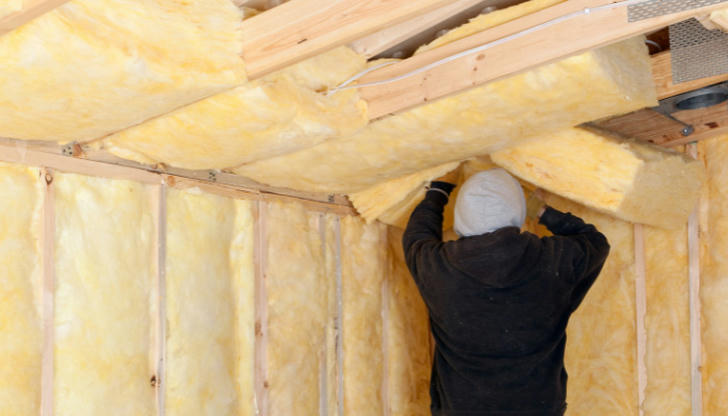
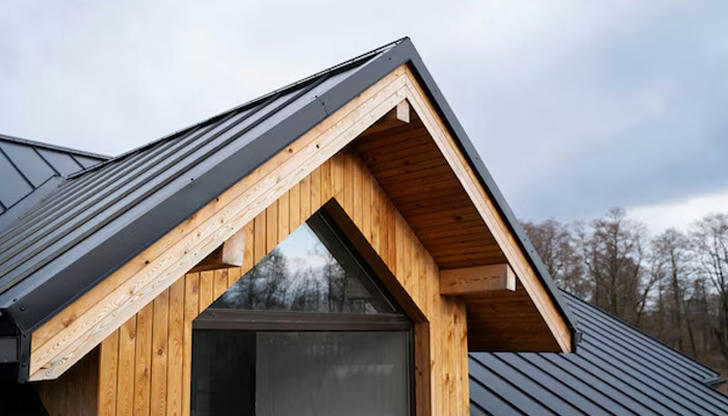
This is one of the most common noise complaints. It’s also one of the hardest to eliminate without major work. But experienced cabin owners find that adding insulation between the roof deck and the interior ceiling makes a significant difference. A finished wood ceiling indoors also absorbs more sound than exposed metal or plywood.
Wind in the Chinking
If you feel a draft or hear whistling near the gaps between logs, the chinking has likely cracked. This is a maintenance issue, not an emergency. Clean the gap, apply new chinking, and smooth it with a wet trowel for a clean seal.
Squeaky Floors
Floor squeaks in cabins are usually caused by logs or joists rubbing against nails. Before you blame the floor, check the humidity level in the cabin. In many cases, the squeaks disappear once the indoor humidity stabilizes above 40%.
The Wildlife Sound Guide
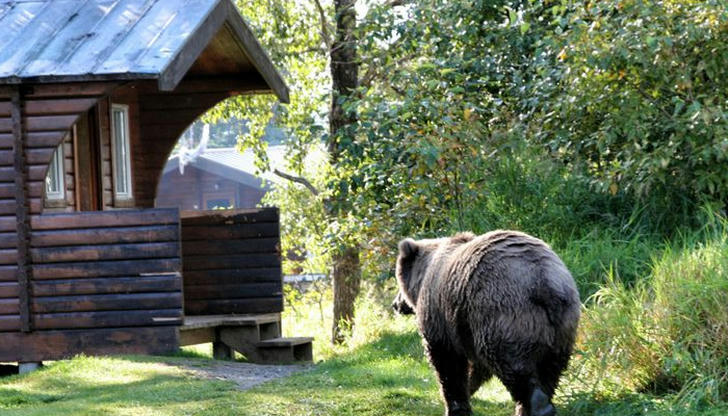
Cabin dwellers share their environment with animals. Some sounds are routine. Others indicate a problem.
Seasonal Visitors (usually harmless)
Mice activity increases in fall as they seek shelter. You’ll hear skittering in walls or ceilings, especially at night. This is normal. What matters is whether they stay. If the sounds continue for more than a week, seal entry points and set traps.
Squirrels on the roof are common in oak forests. They sound larger than they are. A single squirrel running across a metal roof can sound like a person walking.
Signs of Infestation (requires action)
- Gnawing or chewing sounds that continue nightly
- Scratching in the same spot over multiple days
- Sounds combined with droppings or nesting material
The solution is not more traps once the animals are inside. The solution is finding and sealing the entry point once the animals have been removed. Steel wool mixed with caulk is effective for small gaps. For larger openings, use hardware cloth.
Sleep Strategies From Seasoned Cabin Dwellers
People who sleep well in cabins don’t try to eliminate all noise. They use a different approach.
Masking instead of blocking. A small fan or white noise machine fills the room with a steady sound that blends sharp noises into the background. This is more effective than trying to achieve total silence, because total silence makes every individual sound more noticeable.
Heavy bedding. Dense comforters and thick pillowcases absorb vibration that your body perceives as sound. The difference is noticeable even after the first night.
Consistent routine. Going to bed at roughly the same time each night trains your brain to filter out the environment’s sounds. This matters more in a cabin than in a city apartment, because the soundscape changes constantly with weather.
The Counterintuitive Truth About Cabin Quiet

Here’s something long-term cabin owners rarely say out loud: the most comfortable cabins aren’t the quietest ones.
A cabin that makes no sound at all is a cabin that isn’t breathing. Proper log homes need to exchange air, adjust to humidity, and respond to temperature changes. A “silent” cabin is often a sealed one with moisture problems hiding behind the walls.
The experienced cabin dweller learns to read the soundscape. Familiar noises become reassuring — they mean the home is functioning as it should. New or different noises are investigated calmly, not ignored or panicked over.
When to Call a Professional
Most cabin sounds are normal. But a few situations genuinely require expert attention:
- Persistent dripping sounds inside walls after dry weather
- Cracking sounds accompanied by visible movement of logs
- Sudden, loud bangs during calm conditions in newer cabins
- Any sound combined with water stains, fresh sawdust, or visible sagging
In those cases, a log home inspector or experienced contractor can assess whether the sound indicates a structural issue.
Living With the Noise

A log cabin is not a silent home. It creaks, pops, groans, and talks back to the environment around it. That’s not a design flaw — it’s the nature of the material.
The people who enjoy cabin life most aren’t the ones who soundproof every room. They’re the ones who learn which sounds to accept, which to fix, and how to sleep peacefully even when the house is doing its nighttime routine.
After a while, most cabin owners find themselves saying the same thing: when they’re away from the cabin, the silence feels too quiet.