Log cabins are expensive to insure. That’s the short version. The long version is — it depends a lot on where your cabin is, how it’s built, and whether you’re using it as a primary home or a seasonal rental.
I talked to agents at Foremost Insurance , American Modern , and a few local brokers who specialize in cabins to get real numbers. Here’s what they told me.
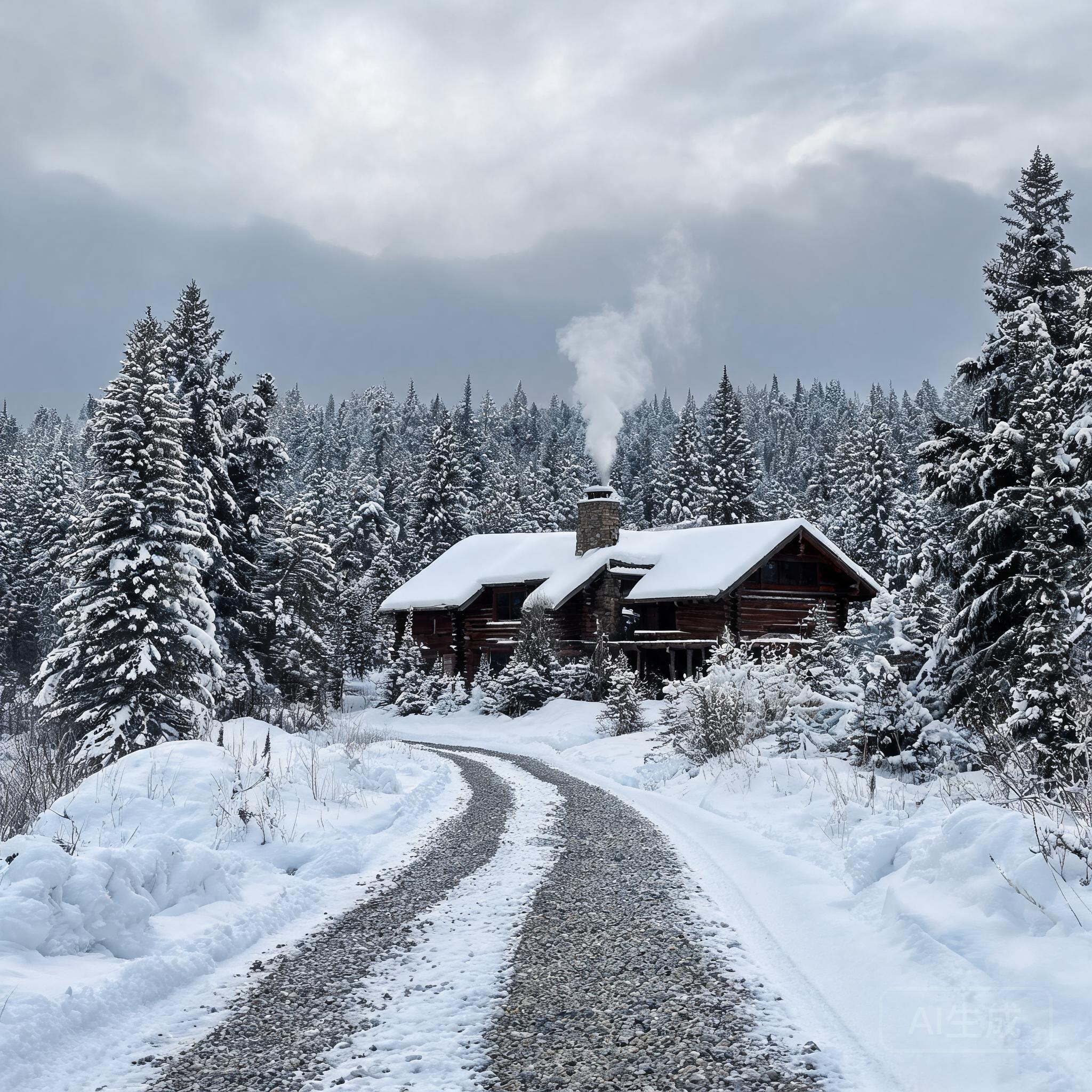
Why Cabins Cost More to Insure
Three things make log cabin insurance more expensive than standard homeowners insurance:
-
Replacement cost. If a log cabin burns down, you’re not just replacing drywall and studs. You’re replacing handcrafted logs at $50–$100 per square foot. Most policies use “extended replacement cost” which adds 25–50% above the standard dwelling coverage.
-
Fire risk. This is the big one. Log cabins are combustible structures. Even with modern fire-resistant treatments, insurers consider them higher risk. Some companies won’t insure log homes at all.
-
Location. Most cabins are in remote areas with limited fire department access. That drives rates up further.
Annual Premium Ranges by State
These are rough numbers for a 1,200 sq ft log cabin with $200,000 in dwelling coverage, used as a seasonal property. Primary residence rates are typically 10–15% lower. Rental properties are 20–40% higher.
| State | Annual Premium (Low) | Annual Premium (High) | Typical | Notes |
|---|---|---|---|---|
| West Virginia | $1,100 | $2,400 | $1,600 | Lower due to moderate rebuild costs |
| Kentucky | $1,200 | $2,600 | $1,700 | Better rates near fire stations |
| Tennessee | $1,300 | $2,800 | $1,900 | Smoky Mountain areas are pricier |
| Arkansas | $1,100 | $2,300 | $1,500 | Low rebuild costs keep rates down |
| Maine | $1,400 | $3,200 | $2,100 | Remote locations add cost |
| Michigan (UP) | $1,500 | $3,500 | $2,300 | Severe winter weather claims |
| Wisconsin | $1,400 | $3,200 | $2,100 | Good competition among insurers |
| Minnesota | $1,500 | $3,400 | $2,200 | Northern areas more expensive |
| New York (Adirondacks) | $1,800 | $4,500 | $2,800 | High rebuild costs, strict codes |
| Pennsylvania (Poconos) | $1,500 | $3,600 | $2,400 | Seasonal vs. primary matters a lot |
| Vermont | $1,600 | $4,000 | $2,600 | Expensive to rebuild, remote |
| New Hampshire | $1,600 | $4,200 | $2,700 | Similar to Vermont |
| North Carolina | $1,400 | $3,500 | $2,300 | Mountain areas vs. piedmont matters |
| Colorado | $2,000 | $5,500 | $3,200 | Wildfire risk is a major factor |
| Montana | $1,500 | $4,000 | $2,500 | Very remote, limited insurers |
| Idaho | $1,600 | $4,200 | $2,600 | Growing wildfire concern |
| Oregon | $1,800 | $4,800 | $2,800 | West of the Cascades is expensive |
| Washington | $2,000 | $5,200 | $3,100 | High wildfire risk in eastern WA |
| California (Sierra) | $2,500 | $7,000+ | $4,200 | Wildfire crisis, many non-renewals |
| Texas | $1,500 | $3,500 | $2,300 | Hail and wind claims common |
| Georgia | $1,200 | $2,800 | $1,800 | Generally reasonable |
| Alaska | $1,300 | $3,000 | $1,900 | Unique risks, fewer insurers |
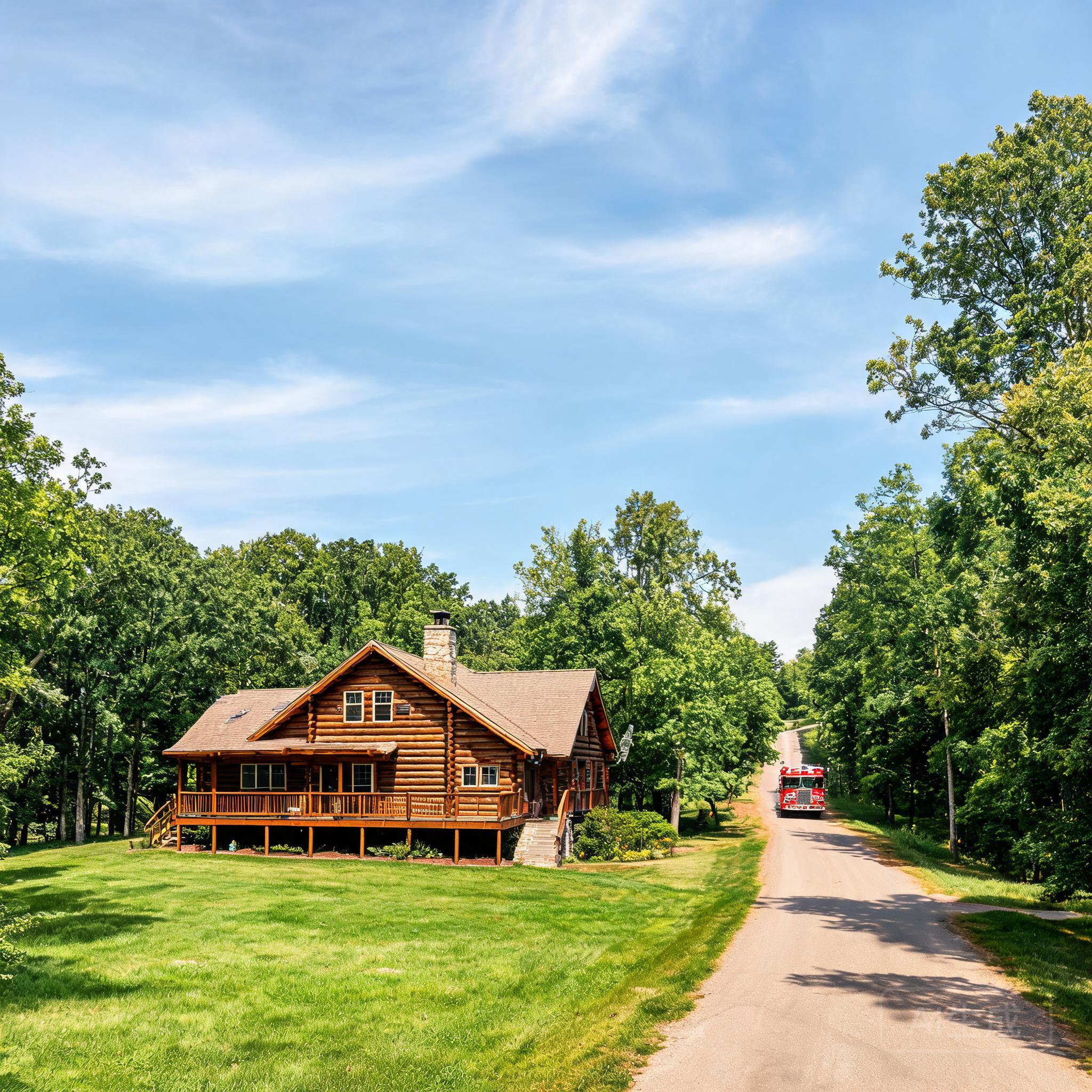
The California Problem
California deserves its own section because the insurance market there is a disaster for cabin owners as of 2026. Major insurers — State Farm, Allstate, USAA — have stopped writing new policies in wildfire-prone areas. Farmers has limited new business. If you own a cabin in the Sierra Nevada foothills or the Trinity Alps, you’re likely on a non-admitted carrier paying $4,000–$7,000 a year.
Some cabin owners in California have turned to the FAIR Plan, which is the state’s insurer of last resort. It’s expensive and offers bare-bones coverage. If you’re buying a cabin in California, check insurance availability before you close.
What Coverage You Actually Need
This is where brokers see people make mistakes. They buy too little coverage to save money, then find out it doesn’t cover what they need.
| Coverage Type | What It Does | Recommended Amount |
|---|---|---|
| Dwelling | Rebuild the cabin | 100% of replacement cost |
| Other Structures | Sheds, garages, decks | 10–20% of dwelling limit |
| Personal Property | Your stuff inside | 50–70% of dwelling limit |
| Loss of Use | Living expenses if cabin is uninhabitable | 20–30% of dwelling limit |
| Liability | Someone gets hurt on your property | $300,000–$500,000 |
| Medical Payments | Minor injuries without lawsuit | $5,000–$10,000 |
For log cabins specifically, make sure your policy includes extended replacement cost (25–50% above the dwelling limit). Standard replacement cost won’t cover the actual cost of rebuilding with logs.
Companies That Actually Insure Log Cabins
Not every insurer will take a log home. Here are the ones that do:
- Foremost Insurance — Owned by Farmers. They write more log home policies than almost anyone. Good for seasonal and rental properties.
- American Modern — Specializes in unique homes. They understand log construction and don’t penalize for it.
- Nationwide — Will insure log homes if they’re within 15 miles of a fire station. Their log home program is decent.
- Local mutual companies — In states like Maine, Wisconsin, and Colorado, local mutual insurance companies often have the best rates because they know the area. Worth checking.
How to Lower Your Premium
Some things actually work:
- Fire extinguishers in visible locations — Some insurers give a 5% discount
- Lightning rods — Reduces fire risk, saves 5–10%
- Central monitoring (fire alarm connected to a monitoring center) — Saves 5–15%
- Higher deductible — Going from $500 to $2,500 can cut your premium by 20–30%
- Sprinkler system — Expensive to retrofit, but new construction should include it
- Log treatment documentation — If you have proof your logs are fire-retardant treated, some insurers reduce rates
One more thing — if your cabin is more than 15 miles from a fire station, expect a surcharge of 15–40%. Check fire station proximity before you buy land. The National Fire Protection Association has resources on fire-safe construction for rural homes.