A lot of people buy a cabin, move in, and then figure out the maintenance costs the hard way. I’ve been there. The first year I owned my cabin, I spent about $4,000 on stuff I hadn’t planned for — stain, caulking, a mice problem, a gutter that fell off.
Log cabins are not maintenance-free. They’re actually higher maintenance than regular houses. The question is how much, and where that money goes.
Annual Maintenance Cost Summary
Here’s what a typical log cabin owner spends per year, broken down by category. These are based on my own records and conversations with a dozen other cabin owners across different states.
| Maintenance Category | DIY Cost/Year | Professional Cost/Year | Frequency |
|---|---|---|---|
| Log staining/sealing | $300–$800 | $2,000–$5,000 | Every 3–5 years |
| Chinking repair | $100–$400 | $800–$2,500 | As needed (spot repairs) |
| Chinking full replacement | $1,000–$3,000 | $5,000–$12,000 | Every 15–25 years |
| Roof inspection/repair | $50–$200 | $300–$1,000 | Annual |
| Gutter cleaning | $0 (DIY) | $150–$400 | 2x/year |
| Pest control (mice/squirrels) | $50–$200 | $300–$1,000 | Annual |
| Insect treatment (borers/termites) | $100–$300 | $500–$2,000 | Every 2–5 years |
| Deck maintenance | $100–$400 | $600–$1,500 | Annual |
| Plumbing/winterizing | $50–$150 | $200–$500 | Annual |
| Chimney cleaning | $0 (DIY kit) | $150–$400 | Annual |
| Window/door resealing | $50–$200 | $300–$800 | Every 2–3 years |
| Foundation/grade maintenance | $100–$300 | $500–$2,000 | Annual check + as needed |
| Miscellaneous (unexpected) | $200–$1,000 | $500–$3,000 | Every year |
Typical annual total (excluding big projects): $1,500–$4,000 for DIY owners, $4,000–$10,000 if you hire everything out.
The Big One: Staining
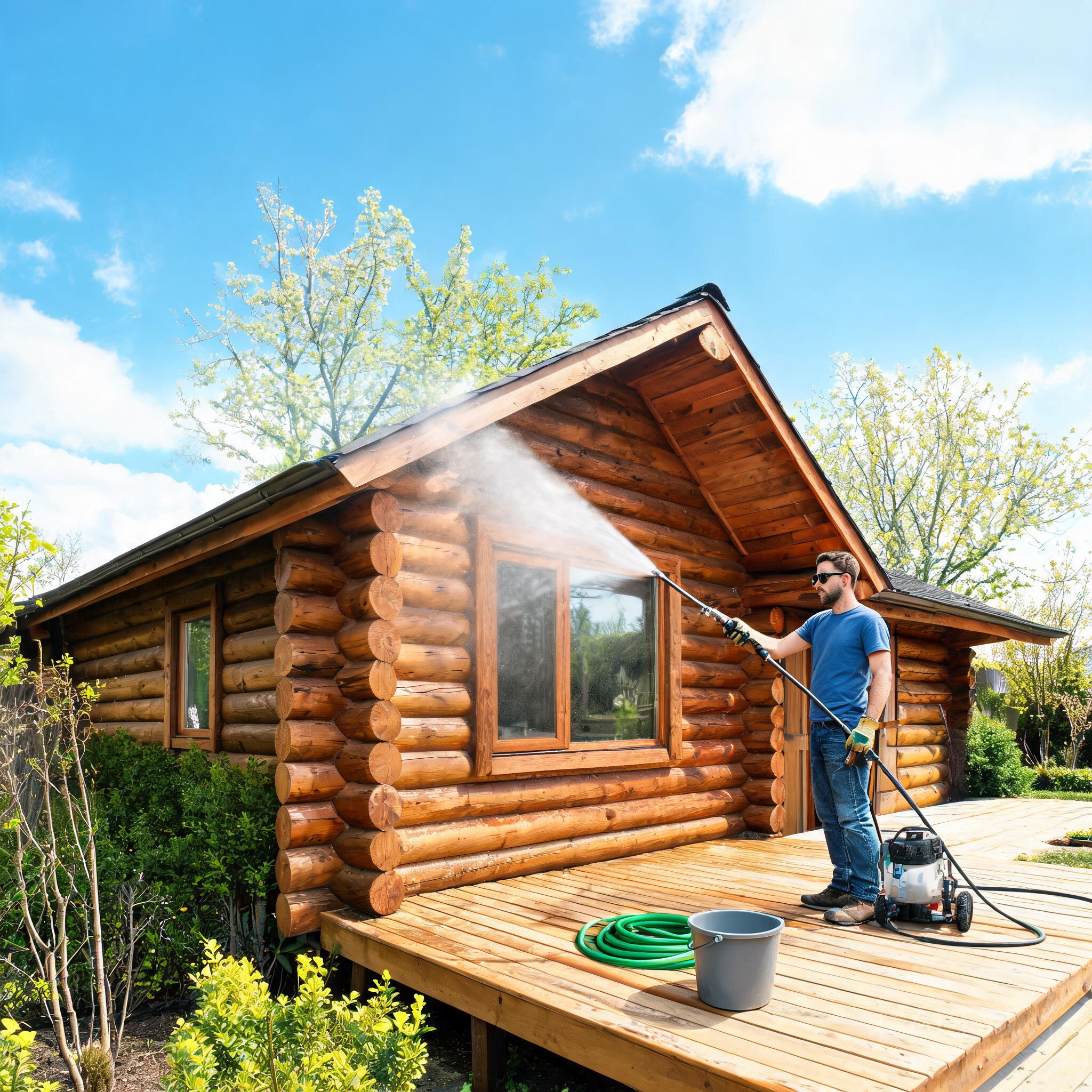
If you own a log cabin, staining is your single biggest recurring expense. And it’s the one you can’t skip.
A good penetrating stain lasts 3–5 years on a south-facing wall, 5–7 years on north-facing. Sun exposure is the enemy. A cabin in the woods with lots of shade will need staining less often than one in an open field.
For a 1,200 sq ft single-story log cabin, you need:
- About 15–20 gallons of stain
- A pressure washer rental ($80/day)
- A sprayer ($50–$150)
- 3–4 days of labor
DIY cost: $300–$800 for materials Professional cost: $2,000–$5,000 (most quotes are $1.50–$3.00 per square foot)
What happens if you don’t stain? The logs start checking (cracking), UV damage turns them gray, and eventually moisture gets in and rot starts. A full log replacement costs way more than a regular stain job. I’ve seen people put it off for two years and end up replacing three bottom logs — $4,000 for the logs alone.
Chinking: The Second-Biggest Expense
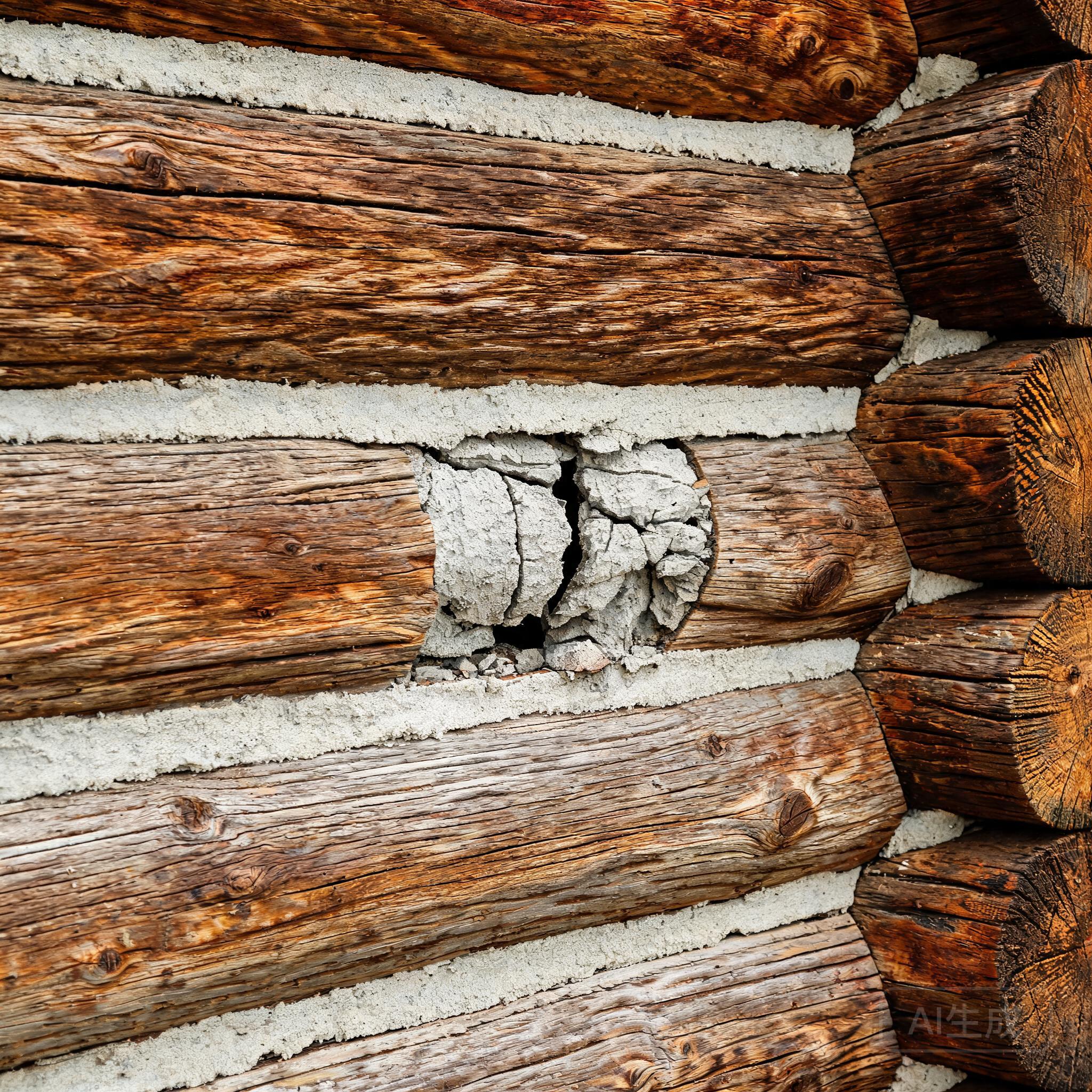
Chinking is the flexible material between logs. It’s supposed to move with the logs as the house settles, but it eventually cracks and falls out.
Spot repairs — If you have a few cracks, you can patch them with a tube of chinking ($8–$15 each). Plan for $100–$400 a year in materials.
Full re-chinking — If your chinking is more than 15 years old and failing everywhere, you’re looking at $5,000–$12,000 for a professional job on a 1,200 sq ft cabin. You can DIY it for about $1,000–$3,000 in materials, but it’s miserable work. The chinking has to go in at the right temperature, you have to tool every joint, and it takes forever.
A cheaper alternative is foam backer rod behind the chinking, which reduces the amount of chinking material you need by about 40%. Perma-Chink Systems has good tutorials on this if you’re doing it yourself.
Pest Control Is Not Optional
Wood attracts bugs. Log cabins attract wood-boring insects. It’s a problem.
The usual suspects:
- Carpenter ants — Most common in damp logs. Keep logs dry and you solve 90% of the problem.
- Powderpost beetles — Leave tiny holes in the wood. Treatment costs $500–$1,000 for a professional borate spray.
- Termites — Less common in full-log cabins (they prefer the wood-to-ground contact points), but still a risk if your foundation isn’t right.
- Mice and squirrels — These will find every gap. Steel wool + spray foam in any hole larger than a dime.
I spend about $100 a year on bait stations and exclusion materials. A pest control company will charge $300–$600 per visit, and they’ll come 2–4 times a year.
Seasonal Maintenance Calendar
Here’s what I do and when I do it:
Spring (April–May):
- Inspect roof for winter damage
- Clean gutters
- Check chinking for cracks (winter freeze-thaw cycles cause most chinking failures)
- Open plumbing and de-winterize
- Check for insect activity on exterior logs
Summer (June–August):
- Stain or seal if it’s the right year
- Re-chink any trouble spots
- Treat for insects if needed
- Inspect deck and porch for rot
Fall (September–October):
- Clean gutters again
- Seal windows and doors before cold weather
- Winterize plumbing if the cabin won’t be used
- Stack firewood away from the cabin (keeps mice out)
- Check chimney and clean if needed
Winter (November–March):
- Monitor for ice dams on the roof
- Keep snow cleared from around the foundation
- Check cabin periodically if it’s unoccupied
What Most People Underestimate
After talking to cabin owners for a while, three patterns come up over and over:
-
Bottom log rot. This happens when snow melts and sits against the foundation. The bottom course of logs wicks up moisture and rots from the bottom. Prevention: make sure your roof overhang is at least 18 inches, and grade the ground away from the foundation.
-
Gutter failure. Cabins in wooded areas get leaves and pine needles in the gutters constantly. Clogged gutters overflow and splash water onto the log walls. That causes rot faster than almost anything else. Clean your gutters twice a year, or install gutter guards.
-
They forget about the roof. Log cabin roofs take a beating from snow load and ice dams. A standing seam metal roof costs more upfront ($8–$15/sq ft installed) but lasts 40–50 years with almost no maintenance. Shingles on a cabin roof in a snowy area might need replacement in 15–20 years. Metal Roofing Alliance has good comparisons if you’re deciding.
Bottom Line
If you’re buying a cabin, budget $2,000–$5,000 per year for maintenance and put that money aside. Some years you’ll spend less. Some years something will break and you’ll spend $10,000.
The owners who stay on top of staining and chinking — they’re the ones who own cabins that look good and don’t have rot problems. The ones who let it slide for a few years — they’re the ones telling horror stories at the hardware store.