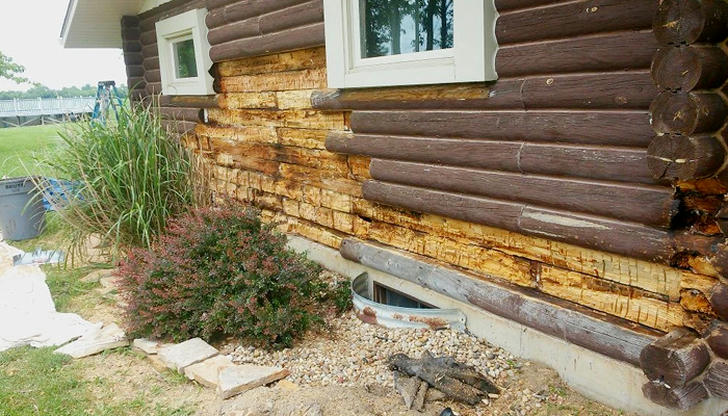
Wood rot is the single most common cause of expensive repairs in log homes. It’s also the most preventable. The difference between a cabin that lasts 50 years and one that needs major repairs in 15 is almost always about moisture management.
Getting a handle on how rot develops — and knowing what to look for — lets you catch problems while they’re still small enough to fix with basic tools.
How Rot Actually Happens
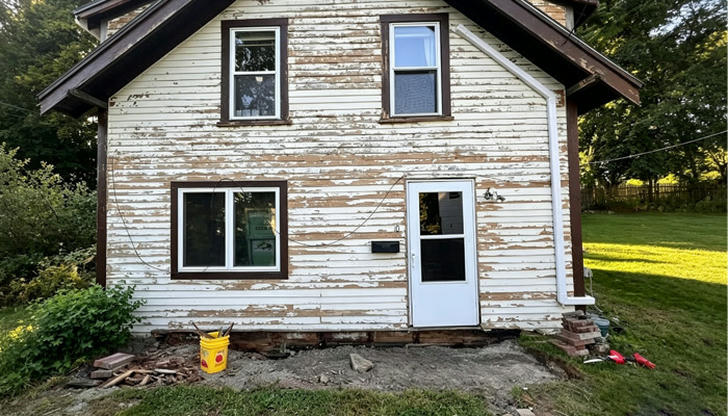
Rot isn’t caused by water alone. It’s caused by fungi that need three things to survive: moisture, oxygen, and a food source (the wood itself). Remove any one of those, and rot stops.
The practical implication is simple: if you keep wood dry, rot cannot occur. The challenge is that moisture can enter your logs in ways that aren’t obvious from a casual walk-around.
The most common entry points are:
- Splash zone. Rain that hits the ground and bounces up onto the bottom logs
- End grain. The cut ends of logs at corners and around windows absorb water like straws
- Gaps. Spaces between logs where chinking has cracked or fallen out
- Roof edges. Areas where overhangs are too short to protect the walls below
The Seasonal Inspection Routine
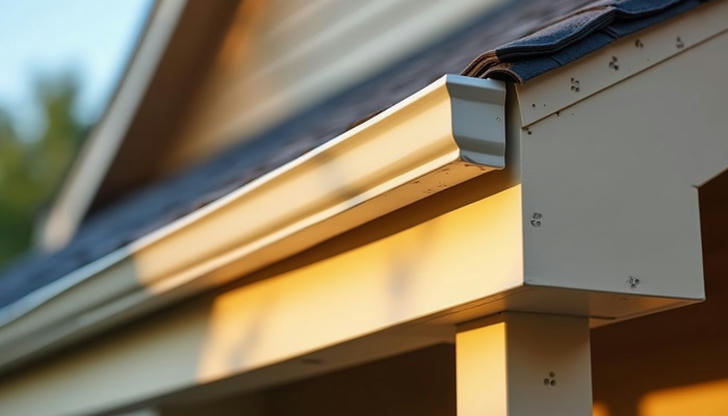
Most rot damage develops over years, not months. A twice-yearly inspection is enough to catch problems early. Here is what to check in each season.
Spring Inspection
Spring is the most important time for log home maintenance. Winter moisture has had months to penetrate gaps, and warm weather is about to accelerate fungal growth.
What to look for:
- Soft or spongy wood when pressed with a screwdriver
- Dark, discolored areas at the base of logs
- Peeling or bubbling paint or stain
- Visible mold or mildew on shaded walls
- Gaps between logs that have widened over winter
Test method: Gently press a flat-head screwdriver into areas that look suspicious. If it sinks in more than 1/8 inch, the wood beneath the surface is compromised. Healthy log wood is hard enough that a screwdriver will barely mark it.
Fall Inspection
Before winter sets in, focus on preventing moisture from being trapped against the wood.
What to look for:
- All chinking and caulking should be intact and flexible
- Gutters should be clean and downspouts clear
- Vegetation should be trimmed back at least 12 inches from log walls
- Window and door seals should be tight
The Splash Zone: The Most Vulnerable Area

Walk around your cabin and look at the bottom 12 inches of the exterior walls. This is the splash zone — where rain hits the ground and splashes back onto the logs.
This area is constantly exposed to moisture. If any part of your cabin develops rot, it will most likely start here.
What to check:
- The ground should slope away from the foundation, not toward it
- Soil, mulch, or vegetation should not be in direct contact with the logs
- There should be at least 6 inches of clearance between the bottom log and the ground
If you find damage: Small areas of surface rot in the splash zone can be treated with a wood hardener and repainted. If the rot extends more than an inch into the wood, the affected section may need professional assessment.
Chinking and Caulking: Your First Line of Defense
Chinking is the material between logs that seals gaps and prevents water from entering. It’s flexible by design — it needs to move as the logs expand and contract with humidity changes.
Over time, chinking can crack, pull away from the logs, or become brittle. When that happens, water finds its way behind the seal and into the gap between logs.
Inspection tips:
- Run your finger along chinking lines looking for cracks or separation
- Pay special attention to south-facing walls, where UV exposure breaks down chinking fastest
- Check corners carefully — this is where movement is greatest and gaps most likely to form
When to repair: Small cracks can be filled with a compatible caulk. Large gaps or areas where chinking has completely separated need to be removed and replaced.
Finish Maintenance: The Protective Coat
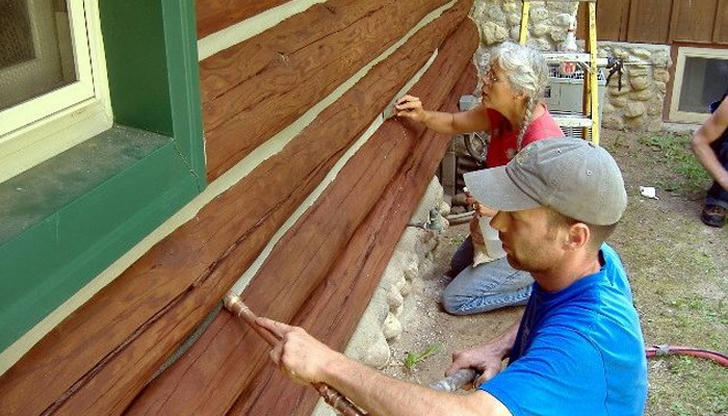
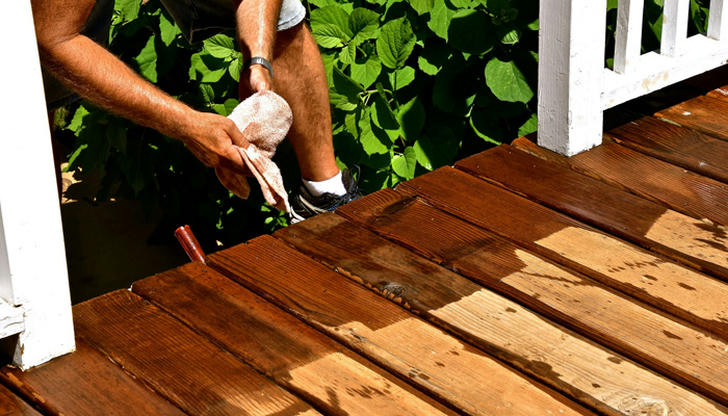
The stain or sealant on your logs is not decorative — it’s functional. It reduces water absorption while still allowing the wood to release moisture vapor.
A failing finish is easy to spot:
- Water no longer beads on the surface; it soaks in immediately
- The wood looks gray, dull, or faded
- The finish is peeling or flaking in patches
Testing your finish: After a rain, go outside and look at the log walls. If the water is soaking into the wood and darkening the surface, the finish is no longer providing adequate protection.
Refinishing frequency: Every 3–5 years depending on sun exposure and climate. South and west facing walls need refinishing more often than north and east facing walls.
Gutters and Downspouts
Clogged gutters overflow and pour water down the log walls. Leaky gutters create concentrated moisture in specific areas.
What to check twice a year:
- Gutters should be clean and flowing freely
- Downspouts should extend at least 4 feet from the foundation
- Look for water stains on logs below gutter seams
Vegetation Management

Trees and shrubs near your cabin can accelerate rot:
- Branches hold shade and moisture against walls, slowing drying after rain
- Leaves and needles clog gutters
- Vines growing on log walls trap moisture and hide damage
Best practices: Keep all vegetation at least 12 inches from log walls. Remove any vines growing directly on the logs.
When to Call a Professional

Call a log home specialist if you find:
- Rot that extends more than 1 inch into the log
- Multiple adjacent logs with soft spots
- Rot accompanied by visible insect damage
- Structural movement such as sagging or shifting
The Takeaway

The maintenance routine is simple:
- Inspect twice a year — spring and fall
- Keep water away from the wood — gutters, grading, splash zone
- Maintain the finish — it’s your primary weather barrier
- Repair chinking promptly — small gaps become big problems
A log home that is dry is a log home that lasts. Every hour spent on preventive maintenance saves you from days of repair work later.