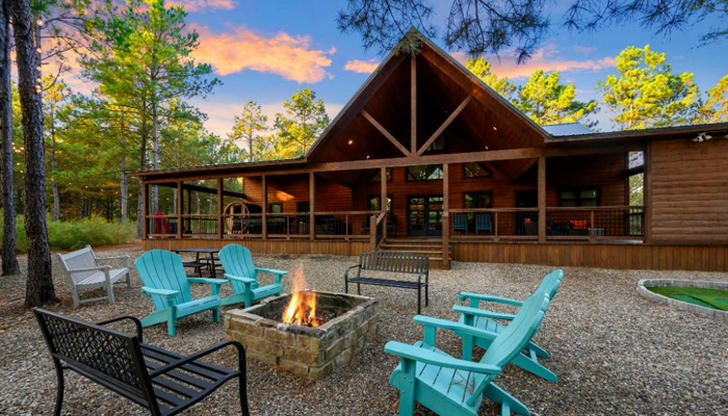
When people describe a great cabin vacation, they rarely mention the fixtures, the square footage, or the brand of appliances. They describe moments: the sound of rain on the roof, the feeling of morning coffee on a cold porch, the quiet that settles in after the fire dies down.
Hotels and resorts are designed for efficiency. Cabins are designed for something else entirely. Knowing that difference helps owners make better decisions about everything from design to maintenance.
The First Difference: Cabins Change Your Relationship With Time
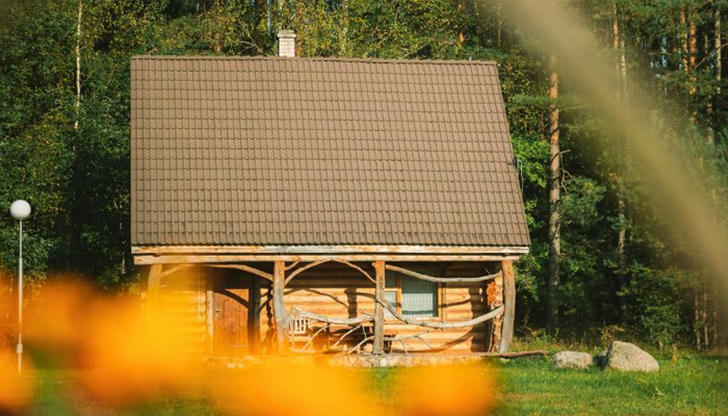
Hotels operate on a schedule. Check-in times, breakfast hours, checkout deadlines. Even luxury resorts manage your time through dinner reservations, spa appointments, and activity bookings.
Cabins do the opposite. There are no schedules. Meals happen when you’re hungry. Activities start when you feel like it. Days are measured by the position of the sun, not the clock on the wall.
This might sound like a minor distinction, but it has a measurable effect on stress. When people switch from a time-structured environment to a naturally-paced one, their cortisol levels drop within 24–48 hours. It’s not just a feeling — it’s a physiological response to the absence of imposed deadlines.
What this means for cabin owners: The design should support unstructured time. A kitchen where multiple people can cook together. A porch where someone can sit for an hour without being in the way. A living area that doesn’t direct people toward screens or schedules.
The Second Difference: You Participate in Your Environment
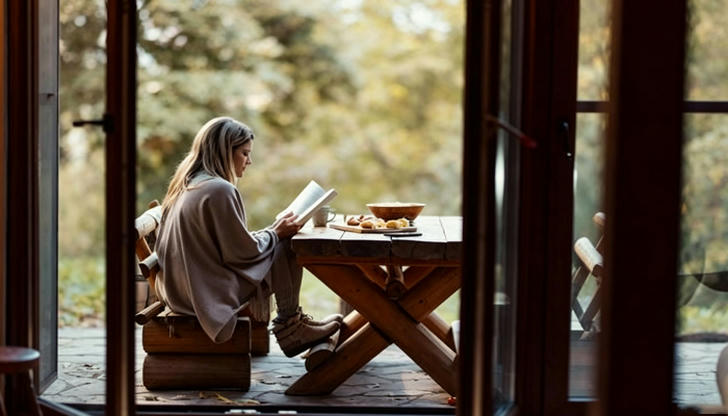
In a hotel, everything is handled for you. Temperature is controlled centrally. Meals appear. Beds are made. The environment is passive — you’re just in it.
A cabin demands participation. You build the fire. You monitor the temperature. You check the weather and decide whether to open windows or start the heater. You cook, clean, chop wood, and adjust to the conditions.
This participation is a feature, not a bug. It creates a sense of competence and presence that passive environments don’t provide. People who stay in cabins report feeling more capable and more connected to their surroundings than they do after hotel stays.
What this means for cabin owners: Design for engagement. Make the fireplace accessible and easy to use. Create outdoor spaces that invite use rather than just view. Install windows that open easily so guests can control airflow. The most appreciated cabins are the ones that let people actively interact with their environment.
The Third Difference: Imperfections Add Character
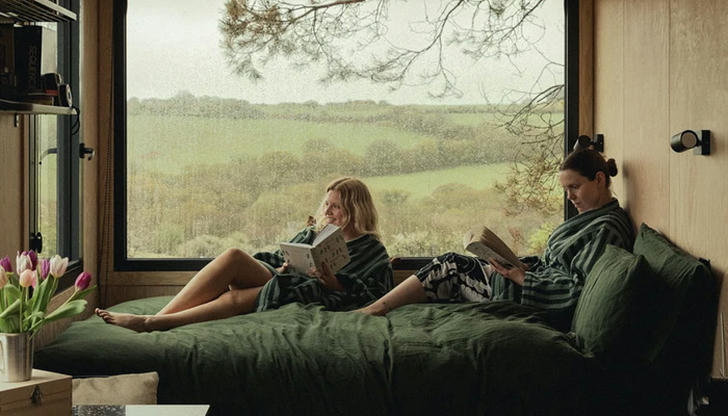
Hotels aim for perfect consistency. Every room is identical. Every surface is spotless. Any deviation from standard is a failure.
Cabins work differently. A squeaky floorboard, a slightly uneven door, a window that sticks in humid weather — these aren’t failures. They’re the marks of a building that has settled into its environment over time.
This isn’t an excuse for neglect. A leaky roof or a broken heater needs to be fixed regardless of the building type. But the smaller imperfections that define a cabin’s character are often the things guests remember most. They tell a story. They make the space feel lived-in rather than manufactured.
What this means for cabin owners: Don’t fight the natural character of the building. That slightly irregular log wall or the gentle slope of an old floor is part of what makes the space unique. Focus your maintenance budget on things that affect comfort and safety — not on achieving the sterile perfection of a hotel room.
The Fourth Difference: Silence Sounds Different Here
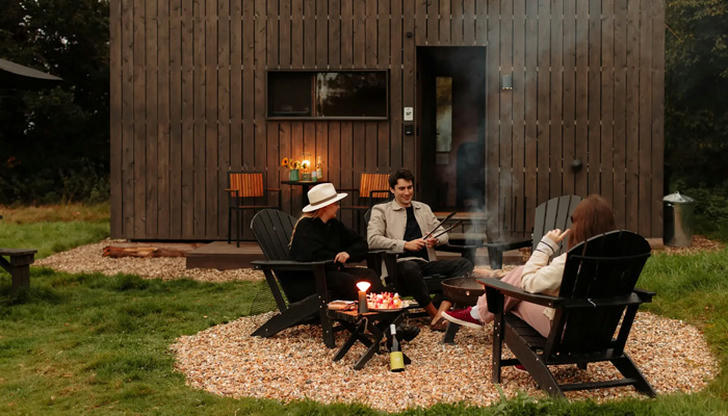
Hotel “quiet” is the absence of noise. Cabin “quiet” is the presence of natural sound — wind, rain, animals, creaking wood.
The distinction matters. People adapt to artificial silence by filling it with their own noise: turning on the TV, scrolling on phones, creating distractions. Natural sound environments don’t trigger that response. They encourage stillness.
This is why people sleep differently in cabins. Without the low-frequency hum of HVAC systems, distant traffic, and neighbor noise, the body enters deeper sleep cycles. Multiple studies have shown that exposure to natural sounds improves sleep quality and reduces recovery time from mental fatigue.
What this means for cabin owners: Protect the natural sound environment. Avoid installing noisy mechanical systems near bedrooms. Choose quiet appliances. If you add white noise, consider using a fan rather than electronic noise generators. The natural acoustic environment of a cabin is one of its most valuable assets.
The Fifth Difference: Cabins Create Shared Experiences
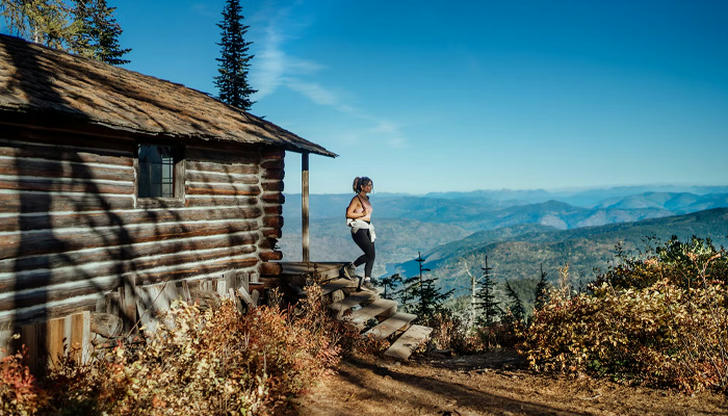
Hotel layouts encourage separation. Everyone has their own room, their own bathroom, their own space. The common areas are public and impersonal.
Cabin layouts naturally bring people together. The kitchen flows into the living room. The dining table is the center of the space. Bedrooms are for sleeping; everything else happens in shared areas.
This isn’t accidental — it’s a function of how cabins are designed. Open layouts, central fireplaces, and intentional gathering spaces create an environment where people interact more. In surveys, cabin guests consistently report more conversation, more shared activities, and stronger feelings of connection than guests at comparable hotel stays.
What this means for cabin owners: Prioritize the shared spaces over the private ones. A cabin with a modest kitchen but a generous, comfortable living area will be more appreciated than one with a gourmet kitchen but cramped common space. Design for togetherness.
The Sixth Difference: You Remember the Details, Not the Amenities
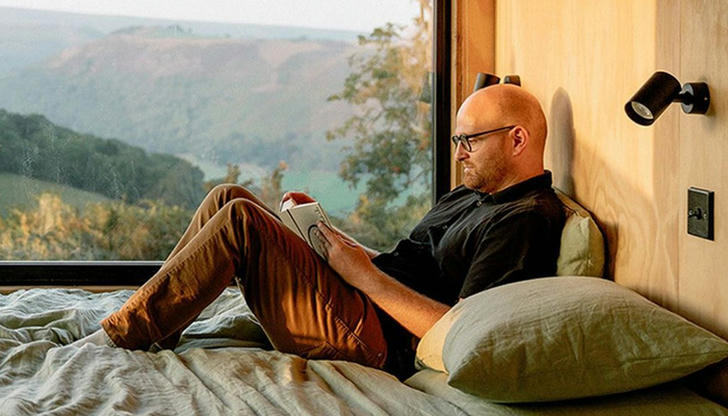
Ask someone about a great hotel stay, and they’ll mention the amenities: the pool, the restaurant, the room service. Ask about a great cabin stay, and they’ll describe specific moments: watching fog lift over a lake, hearing loons at dusk, the smell of wood smoke on a cold morning.
Cabins create sensory memories that hotels don’t. The texture of rough-hewn logs, the sound of rain on a metal roof, the weight of a wool blanket on a cool night. These physical details are registered differently by the brain than the polished surfaces of a hotel room.
What this means for cabin owners: Invest in sensory quality. Good bedding matters more than expensive countertops. A well-positioned window matters more than a large TV. The tactile qualities of the cabin — warm wood, soft textiles, natural light — are what guests will remember.
The Fundamental Insight
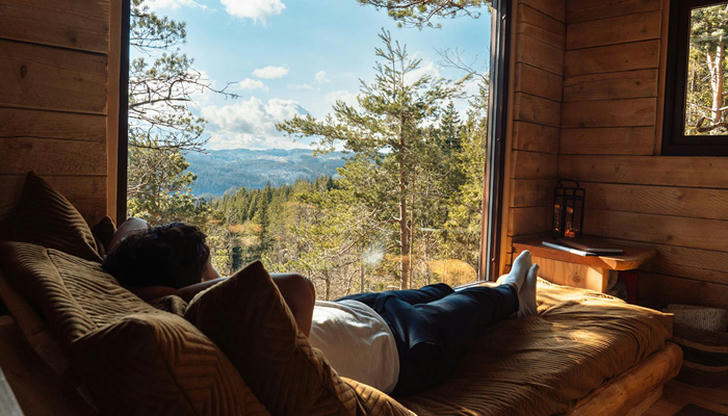
Cabins aren’t hotels with log walls. They’re a fundamentally different category of space.
Hotels are about convenience and consistency. Cabins are about connection — to the environment, to the people you’re with, and to a slower pace of life.
The best cabin owners understand this distinction. They maintain the building well enough that it’s comfortable, but they don’t try to make it feel like a resort. They lean into the qualities that make cabins different: the natural sounds, the participatory experience, the shared spaces, the character that comes with age.
A cabin that tries to be a hotel will always fall short. A cabin that embraces what it is — warm, imperfect, alive — delivers something no hotel can match.