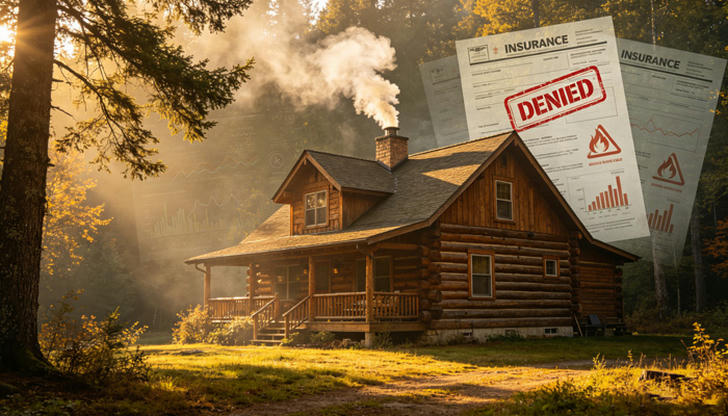
If you own a log cabin or are planning to buy one, there’s a question you should ask before you fall in love with the property: “Can I actually insure this thing?”
The answer used to be almost always yes. Today, it depends on where the cabin sits, how it’s built, and what the insurance industry’s latest risk models say about your specific location. And those models are changing fast.
The Three Factors That Determine Your Insurance Outcome
Insurance companies don’t evaluate log cabins the same way they evaluate standard frame houses. They look at three broad categories, and the weight of each has shifted significantly in the last five years.
Location (this is now the #1 factor)
Where your cabin is located matters more than the cabin itself. Insurers use wildfire risk maps, flood zone data, and historical weather patterns to classify properties. Two cabins built identically by the same builder can receive completely different insurance quotes if they sit ten miles apart.
Key location questions insurers are asking:
- How close is the nearest fire station?
- Is the access road paved or gravel?
- Are there natural firebreaks nearby?
- What is the vegetation density within 100 feet of the structure?
A remote cabin in a heavily wooded area that looks like a dream retreat may be classified as high risk simply because of access limitations.
Construction and Materials
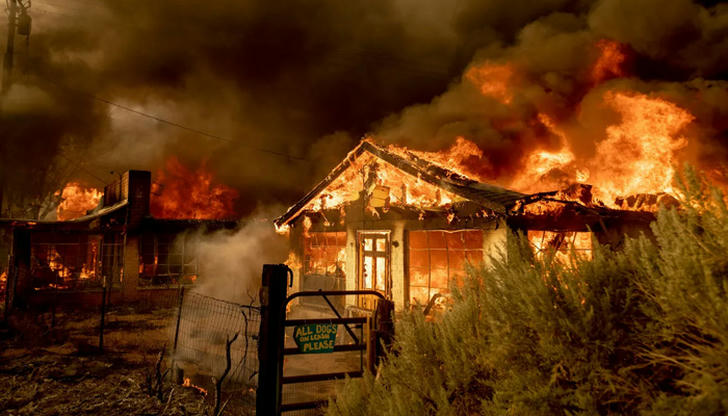
Log cabins present a different risk profile than conventional homes. Wood burns, and insurers know this. But not all log construction is equal from an insurance perspective.
Factors that work in your favor:
- Fire-retardant-treated logs. Some modern cabins use logs treated with fire-resistant chemicals. This can lower premiums.
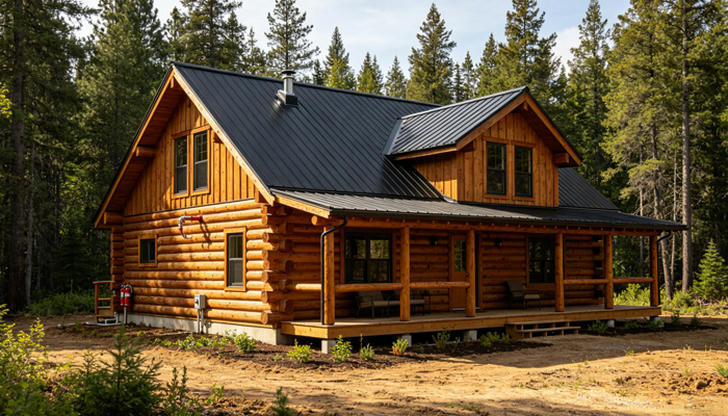
- Metal roofing. A non-combustible roof reduces the chance of embers igniting the structure during a wildfire.
- Sprinkler systems. Monitored fire suppression systems are increasingly required in high-risk zones.
Factors that work against you:
- Old, untreated wood. Historic or reclaimed logs without treatment are viewed as higher risk.
- Wood shake roofing. This is one of the biggest red flags for insurers in fire-prone areas.
- Undocumented electrical updates. Older cabins with outdated wiring concern insurers more than similar-age conventional homes.
Climate Exposure
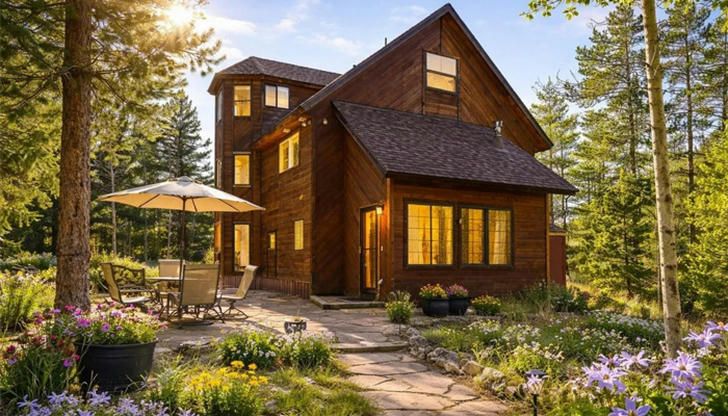
This is the factor that has changed most dramatically in recent years. Insurers now use climate modeling to predict risk over the next 10–30 years, not just assess current conditions.
Cabins in areas experiencing longer wildfire seasons, more frequent droughts, or heavier storm events are seeing premiums rise even if the structure itself hasn’t changed. This is not a temporary trend — it’s a structural shift in how the industry prices risk.
The Specific Risks That Worry Insurers Most
Wildfire
Wildfire is the dominant concern for cabins in Western states, but it’s also becoming a factor in unexpected regions. Drier conditions in the Midwest and Southeast have expanded the areas insurers consider fire-prone.
What insurers want to see:
- Defensible space. A cleared perimeter of at least 30 feet around the structure, with no flammable vegetation.
- Access. A driveway wide enough for fire trucks and a turnaround area.
- Water supply. A pond, hydrant, or large-capacity water tank that firefighters can use.
Water and Moisture Damage
Paradoxically, water damage is a bigger financial risk for insurers than fire in many regions. Log cabins exposed to heavy rain, snowmelt, or high humidity are prone to rot and mold, which are expensive to remediate.
Insurers pay attention to:
- Foundation height (higher is better)
- Gutter condition and downspout placement
- Roof overhang depth
- Evidence of past water damage
Liability and Vacancy
Insurers are less comfortable insuring cabins that sit empty for long periods. Many policies include vacancy clauses that limit coverage if the property is unoccupied for more than 30 consecutive days. If you use your cabin seasonally, you need to know what your policy says about this.
Practical Steps to Improve Your Insurability
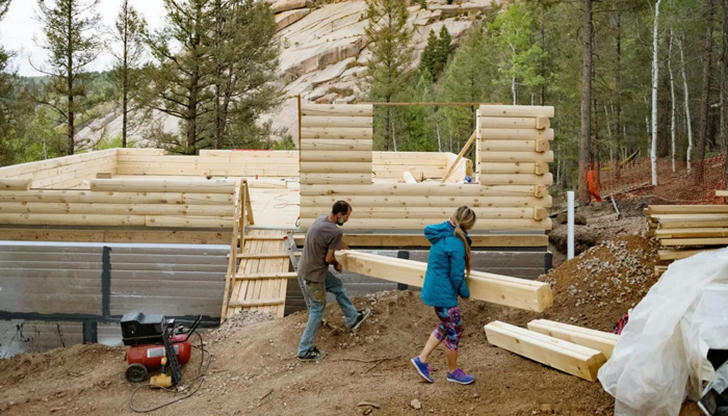
If you already own a cabin or are shopping for one, here are concrete actions that can improve your insurance situation.
Before You Buy
- Check the insurance availability before making an offer. Ask your agent to run a preliminary quote based on the address. If insurers are declining to write policies in that area, that’s a red flag.
- Review the wildfire risk rating. FEMA’s National Risk Index and local fire authority maps are public resources. Use them.
- Factor insurance into your budget. Premiums in high-risk areas can add $2,000–$5,000 per year or more to your carrying costs.
If You Already Own
- Create defensible space. Clear brush, trim low-hanging branches, and maintain a green, irrigated zone around the cabin.
- Upgrade vulnerable components. Replace wood shake roofing with metal or composite. Install ember-resistant vents. Upgrade old electrical panels.
- Document everything. Keep receipts and photos of improvements. Some insurers offer premium reductions for documented upgrades.
- Shop around annually. Premiums vary significantly between insurers. A cabin rejected by one company may be insurable through another at a reasonable rate.
When Traditional Insurance Isn’t Available
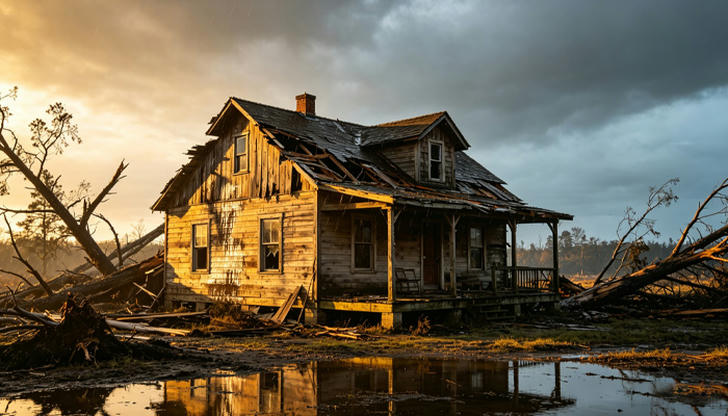
Some cabins — particularly older structures in high-risk zones — can’t get standard homeowners insurance. In those cases, owners turn to:
- Surplus lines insurers. These companies specialize in hard-to-insure properties. Premiums are higher, but coverage is available.
- State FAIR plans. Several states offer last-resort insurance for properties that can’t find coverage in the private market. Coverage is basic and premiums are higher.
- Parametric insurance. A newer option that pays out based on specific triggers (e.g., wildfire within a certain radius) rather than assessed damage.
None of these are ideal, but they’re better than being uninsured.
The Bottom Line for Cabin Owners
Insurance has become a serious consideration in cabin ownership — not just an afterthought. The “I’ll deal with it later” approach can lead to unpleasant surprises at closing or worse, after a disaster.
The best strategy is straightforward:
- Research insurance before you commit to a property
- Maintain your cabin as if an inspector will visit at any time
- Make strategic upgrades that address insurer concerns
- Review your policy annually to keep up with changing risk models
A log cabin is still one of the most rewarding types of homes to own. But in 2026, the smartest cabin owners are the ones who understand that protecting the dream requires more than just a good lock on the door.